Best Way to Buy a Used Car
Buying a used car can get you considerably more for your money compared to buying new, but there are some extra considerations when buying used, such as where to buy from. You have private sellers, main dealers, car supermarkets and more.
So which one is best? In this article, we’ll break each option down and give some vital tips and information about the process.
Where can you buy a used car?
Main dealer / approved used
Car supermarket
Specialist garage
Private seller
Main Dealer or Approved used
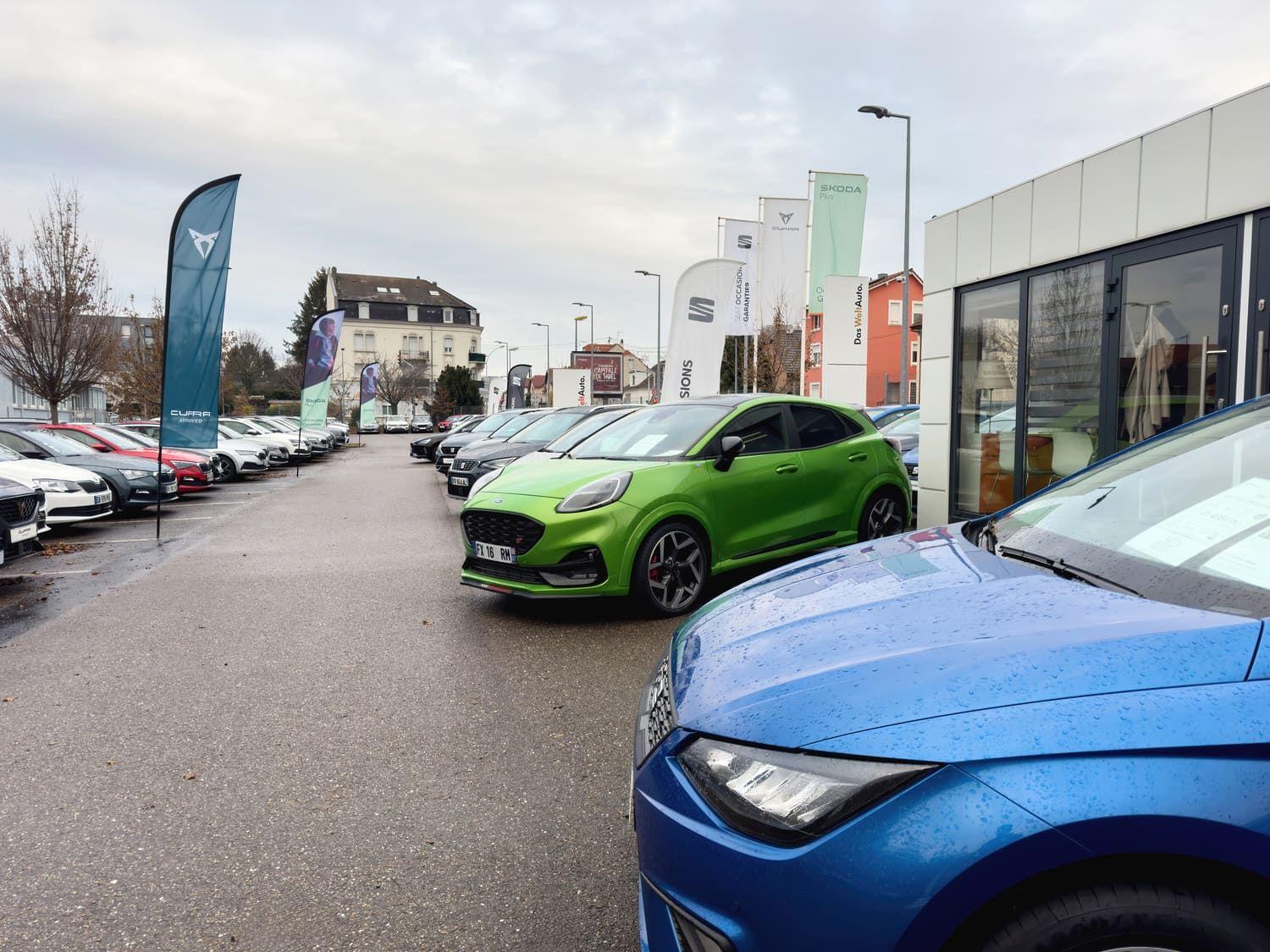
Despite their primary function being to sell new cars, manufacturer dealers do sell second-hand cars. They usually come at a premium over any other location, as they often offer “approved used” vehicles.
These are cars that have been inspected and approved by the dealership's mechanics to be in good condition and working order. They are often cars that were originally sold by the dealer new, or have been serviced there, but not always.
Cons of buying a used car from a main dealer:
Cost - approved used cars are typically more expensive
Availability - the process of vetting and sourcing can take longer
Benefits of buying approved used from a main dealer:
Consumer rights - any car bought from a business is protected under the rules set out in the Consumer Rights Act 2015
Well serviced - depending on the manufacturer, many “approved used” cars come with full dealer service history, meaning they should be well looked after
Finance offered - all dealers will offer some kind of finance, be that PCP, HP, etc
Extras - because the dealer likely has its own garage for servicing and repairs, they may be able to offer extras to sweeten the deal, such as servicing packages or accessories
Car Supermarket
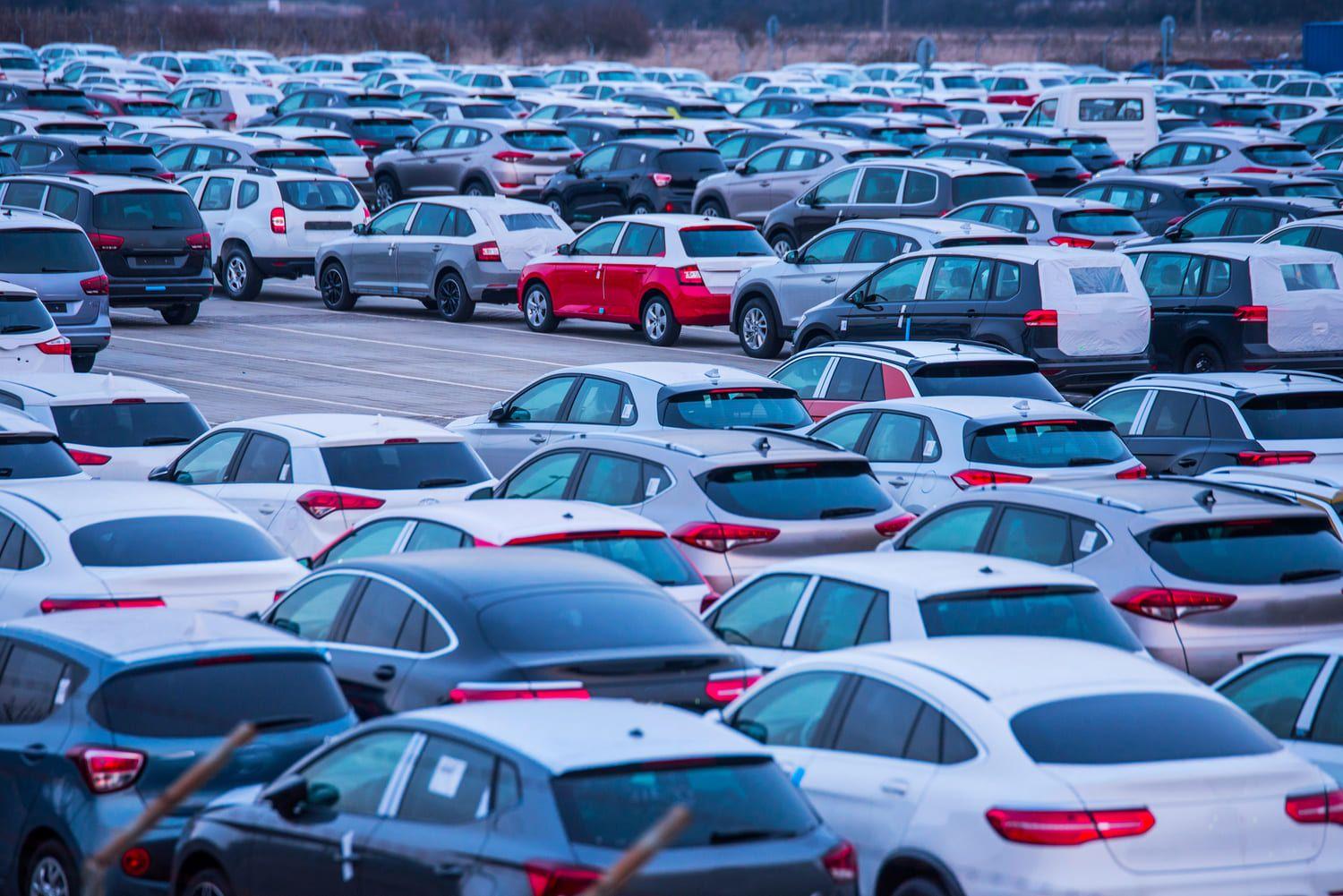
Car supermarkets have been around since the late 1990s, In essence, they cram 100s of cars into a large site, and tend to sell them at a slightly lower rate than main or specialist dealers.
Typically, these kinds of businesses target the mid-range market; cars that are 2-8 years old, appealing to someone who just needs a fairly modern runabout.
Benefits of buying from a car supermarket:
Consumer protection – when you buy from a used car supermarket, you’re protected by the Consumer Rights Act 2015
Lots of choice at one location - no need to drive around different dealerships, these places have 100s of different cars in one place
Often slightly cheaper than the main dealer
Availability - car supermarkets are big enough to employ sales staff in shifts, allowing them to open 7 days a week, with long hours
Finance - all car supermarkets will be able to sort finance
Disadvantages of buying from a car supermarket
Less chance of negotiating - because car supermarkets sell low at high quantity, their prices are usually set, meaning there’s little chance of money off or some extras thrown in
Limited range of cars - if you’re looking for something sporty, or luxurious, or just a specific specification, it might be harder to find here than at a specialist dealer
Specialist Car Dealership
Whereas car supermarkets sell anything and everything, specialist dealers, often attached to specialist independent repair shops, will only sell one type or brand of car. That could be that they specialise in Volvos or luxury cars, for example.
Advantages of buying from a specialist dealer
Particular models - these garages will be better placed to source a particular make and model of car for you, something the car supermarket would never entertain
Better aftercare - because specialist dealers are often associated with independent specialist garages, they are more knowledgeable about their speciality, and as such are less likely to risk their brand name by selling a dud
Consumer protection - because they are a business, consumer rights apply
Limitations of buying from a specialist dealer
Cost - to make enough profit to survive, these garages need to make higher margins, meaning higher prices
Availability - sometimes specialist dealers open shorter hours than other seller types
Private Seller
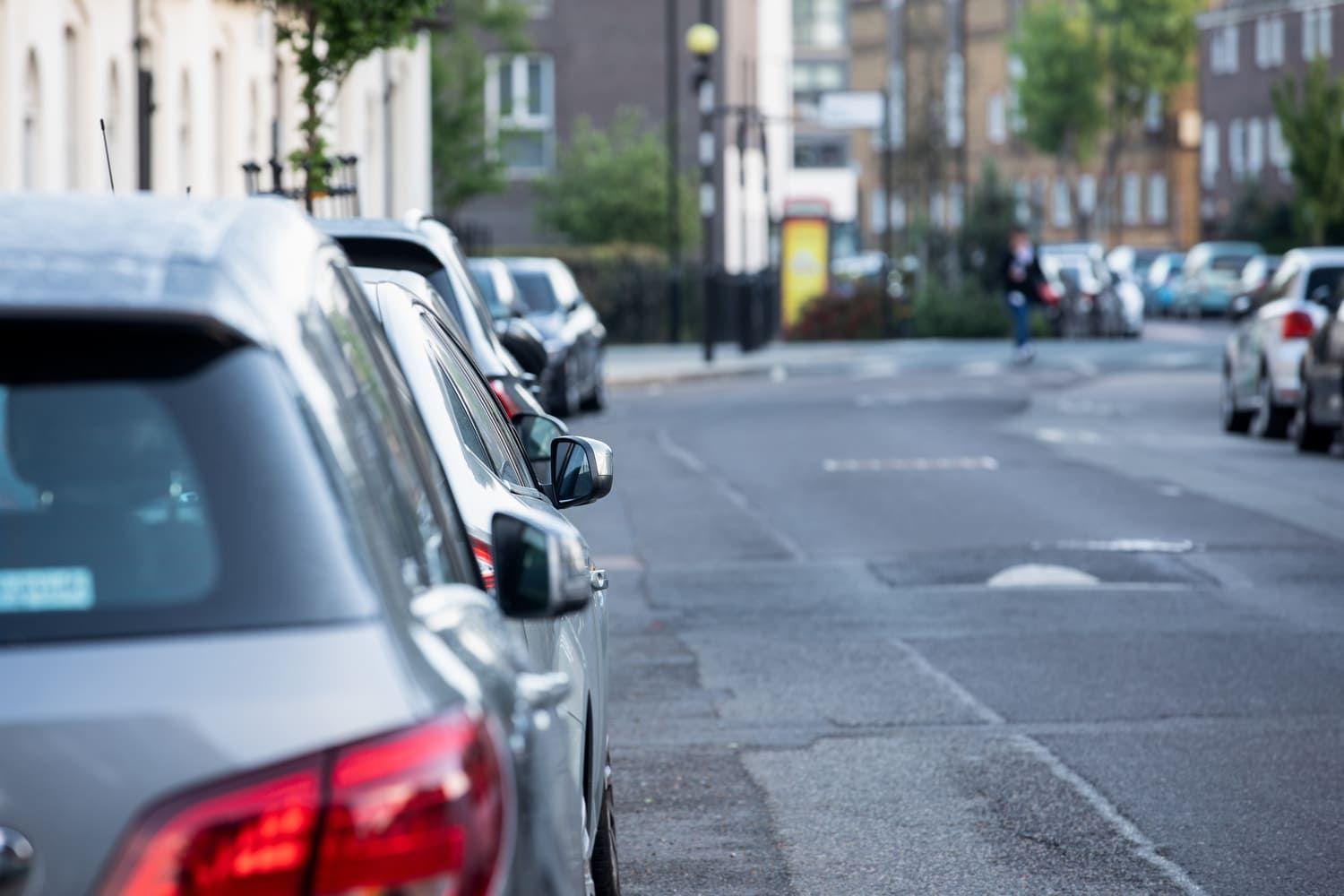
Buying privately can yield big rewards, but of course comes with significant risk depending on the car. The biggest factor to consider is the complete lack of protection should the car be faulty. There are some caveats, such as if you believe the seller hid a problem or intentionally deceived the buyer, but even then, it can be hard to get any money back.
On the flip side, private sales can be anything from 10-25% less than those through a dealership of some kind, so it can be worthwhile in the right circumstances.
Benefits of buying a car from a private seller
Cheap - up to 25% savings over dealership prices
Large selection of vehicle types - just check Autotrader or eBay in your local area, there is likely to be everything from 4x4s to supercars to classics
Flexibility and time - depending on the seller, you can arrange to view and buy a car any time, day or night
rawbacks of buying from a private seller
No protection - whilst you may have some recourse if a car is knowingly sold as faulty, this can be hard to prove, and even harder to sort out
Limited finance options - yes, you can use a bank loan, but a secured finance deal will almost always be impossible through a private sale
Author - Joseph Law
Joseph has been writing about cars for over seven years and writing for Bumper for over two, blending his passion for automobiles with a talent for storytelling.
Joseph has written about engineering and cars for Autozilla, Komaspec, and several engineering manufacturers. When he's not writing or tinkering with one of his cars, Joseph dreams of owning an Alfa Romeo 33 Stradale.

Split your car repair cost over monthly repayments interest-free.
Split the cost of your next repair
Other related articles from our blog
Advice
2 min read
Andy Burnham puts an end to 'rip-off' parking charges and scams
The Government's new Private Parking Code of Practice outlines plans to reduce the effect of inflated parking fines in private car parks. Learn more about the Government's new plans here.

Advice
1 min read
Why the clocks going back could mean a big problem for drivers
A campaign has revealed why the end of British Summer Time could spell disaster for some drivers. Discover how reduced visibility at night and the start of a well-known animal's breeding season could increase the risk of a collision for some motorists.
Advice
3 min read
What the new Budget could mean for drivers: full list of potential changes
A full list of potential changes for drivers in the Government's upcoming Autumn Budget. What the new Budget could mean for the cost of fuel and EV ownership.


