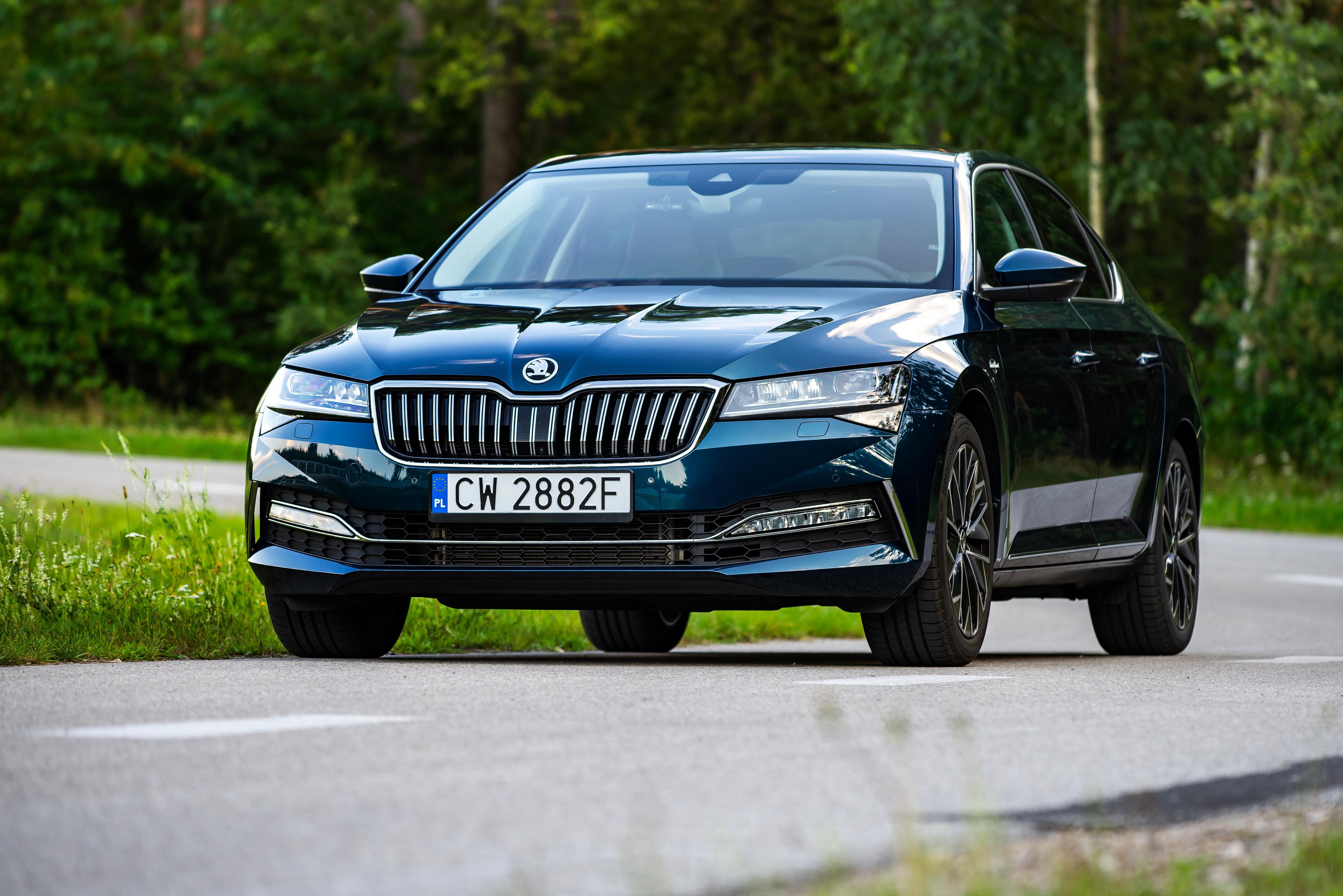
Skoda Octavia Reliability Guide & Common Problems (2026)
The Skoda Octavia has long been considered one of the smartest buys in the family car segment, combining Volkswagen Group engineering with strong practicality and low running costs.
But Skoda reliability depends heavily on which generation you’re looking at.
The latest Mk4 (2020–2024) model is more advanced and refined than ever, but it also introduces more complex electronics that have slightly affected its reliability reputation compared with its predecessor.
Overall, the Octavia remains a solid, dependable choice, but it is no longer the “bulletproof” class leader it once was. Find out more about the Skoda Octavia reliability and common problems in 2026 below.
Overall Skoda Octavia reliability verdict
The Skoda Octavia sits in a mixed but still above-average reliability position in the family car class.
Older models (particularly the 2013–2020 Mk3) built a strong reputation for durability and even topped reliability rankings in several surveys.
However, the newer Mk4 generation (2020–2024) has slipped slightly due to increased reports of:
Infotainment system glitches
Electrical niggles
Occasional DSG transmission complaints
Longer repair times when issues do occur
In recent reliability surveys, the Octavia has shown a noticeable split between mechanical strength and electronic fragility. This means the engine and chassis are generally solid, but software and electronics are the weak point.

Common problems by Skoda Octavia generation
The Skoda Octavia’s reliability record varies significantly by generation, with issues ranging from ageing mechanical wear in early models to software and electronic faults in newer versions.
Let’s review the problems from newest generation to oldest.
Mk4 (2020–2024)
The latest generation Skoda Octavia is the most advanced version yet, but also the most complex, and that added complexity has introduced a new set of potential weak points.
While the core mechanical components remain strong, most reported issues are now centred around electronics, software, and transmission behaviour rather than fundamental engineering faults.
Most common Mk4 Octavia issues:
Infotainment and software glitches (freezing screens, slow response, navigation errors, system reboots)
DSG automatic gearbox hesitation (low-speed jerking, delayed gear engagement)
Electrical niggles (sensor warnings, occasional battery drain, intermittent faults)
Water pump and cooling system issues (coolant leaks, overheating warnings)
Recall-related fixes (hybrid components, minor build/assembly issues, loose engine covers)
As you can see above, the most common Mk4 Octavia issues relate to infotainment faults, including frozen or slow screens, navigation errors, and system reboots. The DSG gearbox can also show low-speed hesitation and jerky shifts, especially in traffic.
Some owners report minor electrical niggles, such as sensor warnings and battery drain. Less frequently, water pump and cooling system issues occur, potentially leading to coolant leaks and overheating if not addressed early.
Lastly, several Mk4 models have been subject to recalls, typically involving plug-in hybrid electrical components, minor assembly issues, or items such as loose engine covers. These are generally resolved under warranty.
Verdict: Very capable, but electronics reduce perceived reliability.
Mk2 (2013–2020)
This generation significantly improved refinement and reliability, and is still considered one of the best used buys.
Common issues:
Water pump failures (notably on TSI petrol engines)
DSG gearbox hesitation or jerky shifting
Diesel particulate filter (DPF) issues on short journeys
Occasional interior rattles and trim wear
Despite these, many owners report strong long-term durability if maintained properly. Bumper always recommends looking at the car’s service history before buying used, though.
Verdict: One of the most reliable modern used family cars.
Mk3 (2013–2020 facelift overlap context)
Often rated the strongest overall Octavia generation for reliability, covering both pre and post-facelift models (2013–2020), where the mid-life update introduced minor improvements but the core engines and platform remained largely unchanged.
Common faults:
DSG gearbox issues (especially high-mileage examples)
Water pump and cooling system wear
Minor electrical faults (infotainment and sensors)
Many reliability surveys placed this generation near the top of its class, with consistently strong scores driven by its proven mechanical parts, relatively simple electronics compared with newer models.
Verdict: Benchmark reliability for the nameplate.
Mk1 (2004–2013)
The earliest Skoda Octavia models are generally regarded as robust and mechanically simple, with a reputation for solid Volkswagen Group engineering underneath, but at this age most examples are now more affected by wear-and-tear and age-related degradation than inherent design flaws.
Common issues include:
Worn suspension components
EGR valve and DPF issues on diesel models
Electrical wear (window regulators, central locking)
Interior trim deterioration
Overall, while major mechanical failures are not especially common if the car has been well maintained, running costs tend to rise with age as multiple smaller components begin to fail more regularly and maintenance becomes more frequent.
Verdict: Mechanically durable, but now aged and maintenance-heavy.
Typical Skoda Octavia repair costs (UK Prices)
While most Octavia issues are not catastrophic, repair costs vary depending on drivetrain and fault type.
Here are some approximate Skoda Octavia repair costs based on common problems in 2026.
Repair / Service Item | Typical Cost (UK) |
|---|---|
DSG gearbox service or repair | £250 to £1,500+ |
Water pump replacement | £350 to £500 |
Infotainment system reset or replacement | £150 to £900 |
Battery replacement | £120 to £250 |
DPF cleaning/replacement | £200 to £1,200 |
Sensor / electrical diagnostics | £80 to £150 (diagnostic + additional repair costs) |
As you can see, electronic and gearbox-related issues are the most expensive risks. You can use car repair finance to split these into interest-free repayments with Bumper.
Owner satisfaction summary for the Skoda Octavia
Owner satisfaction with the Skoda Octavia is generally positive, but with clear generational differences. Here’s the outlook for those on the fence.
Strengths consistently highlighted in Skoda Octavias:
Excellent practicality and boot space
Comfortable long-distance driving
Strong fuel economy across engines
Good value compared with rivals
Common frustrations for Skoda Octavia owners:
Mk4 infotainment reliability can be poor
Slow dealer repair times in some cases
DSG hesitation in traffic
Occasional electrical gremlins
The Mk3 generation remains the most loved by owners due to its simplicity and durability, while the Mk4 is seen as more advanced but less “set and forget.”
And the older models? They’re durable but clearly aging in comparison to competitors.
Final verdict
The Skoda Octavia remains one of the smartest family car choices on the market, but its reliability story has evolved since 2020. If you want maximum peace of mind, the Mk3 is still the safest bet. If you want the latest tech and refinement, the Mk4 delivers, but just expect a higher chance of minor electronic issues.
Split the cost with Bumper
Does your Skoda Octavia need a repair? Consider a car repair loan to split Skoda Octavia repair costs into interest-free repayments.
Apply online for up to £5,000 and choose from 1,000s of trusted repairers.

Split your car repair cost over monthly repayments interest-free.
Split the cost of your next repair
Other related articles from our blog

Advice
2 min read
Andy Burnham puts an end to 'rip-off' parking charges and scams
The Government's new Private Parking Code of Practice outlines plans to reduce the effect of inflated parking fines in private car parks. Learn more about the Government's new plans here.

Advice
1 min read
Why the clocks going back could mean a big problem for drivers
A campaign has revealed why the end of British Summer Time could spell disaster for some drivers. Discover how reduced visibility at night and the start of a well-known animal's breeding season could increase the risk of a collision for some motorists.

Advice
3 min read
What the new Budget could mean for drivers: full list of potential changes
A full list of potential changes for drivers in the Government's upcoming Autumn Budget. What the new Budget could mean for the cost of fuel and EV ownership.


