
Broken Axle Repair Cost Guide (2025)
A broken axle is one of the most serious mechanical issues a car can experience. Because the axle connects the wheels to the drivetrain, any damage can affect stability and your ability to control the vehicle.
If you have recently driven over a deep pothole or noticed worrying vibrations through the floor, it’s natural to wonder how much a repair will cost. Usually, a broken axle repair cost can be anywhere from £300 to £600+.
This guide explains typical prices, repair times, and the most common causes so you know what to expect before booking a mechanic.
How much does it cost to replace an axle in the UK?
In the UK, the cost of replacing a car axle usually falls between £300 and £650 in 2025.
As with most repairs, prices depend on the make of the vehicle, the type of axle and how difficult it is for a mechanic to remove and refit the parts.
Premium models such as Audi, Mercedes or BMW often cost more because their components are more complex or require additional labour.
Here are some typical costs:
Type of work | Average cost |
|---|---|
Standard front axle replacement | £350 to £650 |
Standard rear axle replacement | £300 to £600 |
Premium vehicle axle replacement | £450 to £750 |
The final cost may also increase if related parts such as CV joints, seals or bearings need replacing at the same time. You can use car repair finance to split the costs of any of these repairs into interest-free repayments.
Is it cheaper to repair or replace a broken axle?
If the issue is limited to a small part of the assembly, such as a CV joint or bearing, repair costs can be significantly lower.
Minor axle-related repairs typically cost £150 to £350, which makes them more affordable than a full axle replacement.
Type of repair | Average cost |
|---|---|
CV joint replacement | £150 to £300 |
Axle seal replacement | £120 to £200 |
Wheel bearing replacement | £150 to £250 |
However, if the axle shaft is bent, cracked or snapped, a full replacement is usually required. A damaged shaft cannot be safely repaired and attempting to fix it is unlikely to last long.
How long does an axle repair take?
A standard axle repair usually takes 1 to 3 hours. This estimate covers jobs such as replacing CV joints or seals.
A full axle replacement typically takes 2 to 4 hours, since the mechanic needs to remove the wheel assembly, suspension components, and the damaged axle itself. Corrosion and additional wear can extend the repair time.
What is an axle?
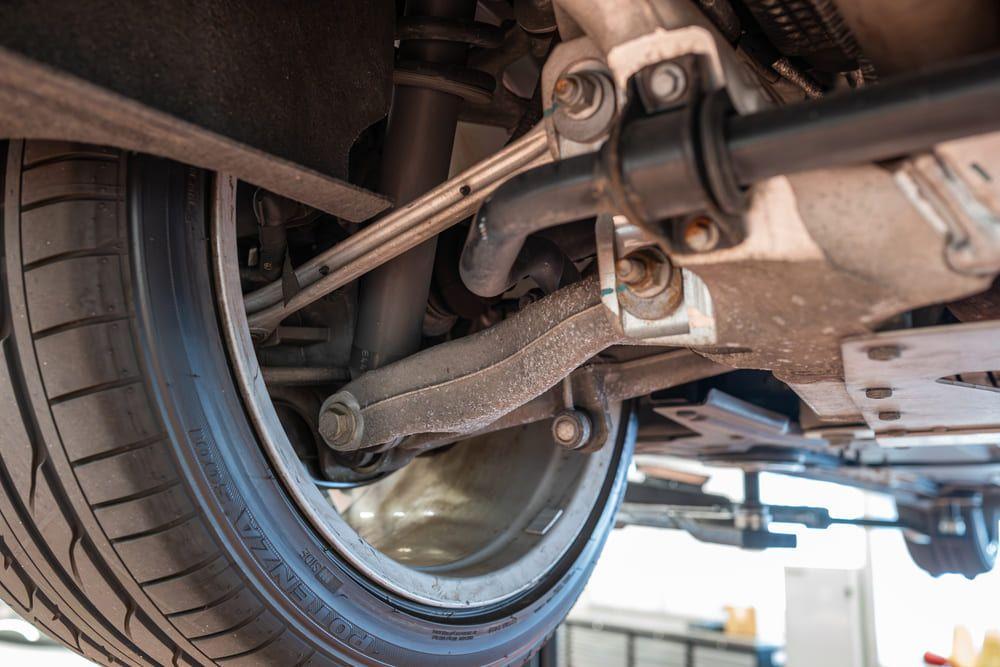
An axle is a steel shaft that connects the wheels to the drivetrain and supports the weight of the vehicle. It also transfers power from the engine to the wheels.
Most cars have a front and rear axle, and many modern vehicles are fitted with constant velocity joints, known as CV joints.
What is a car CV joint?
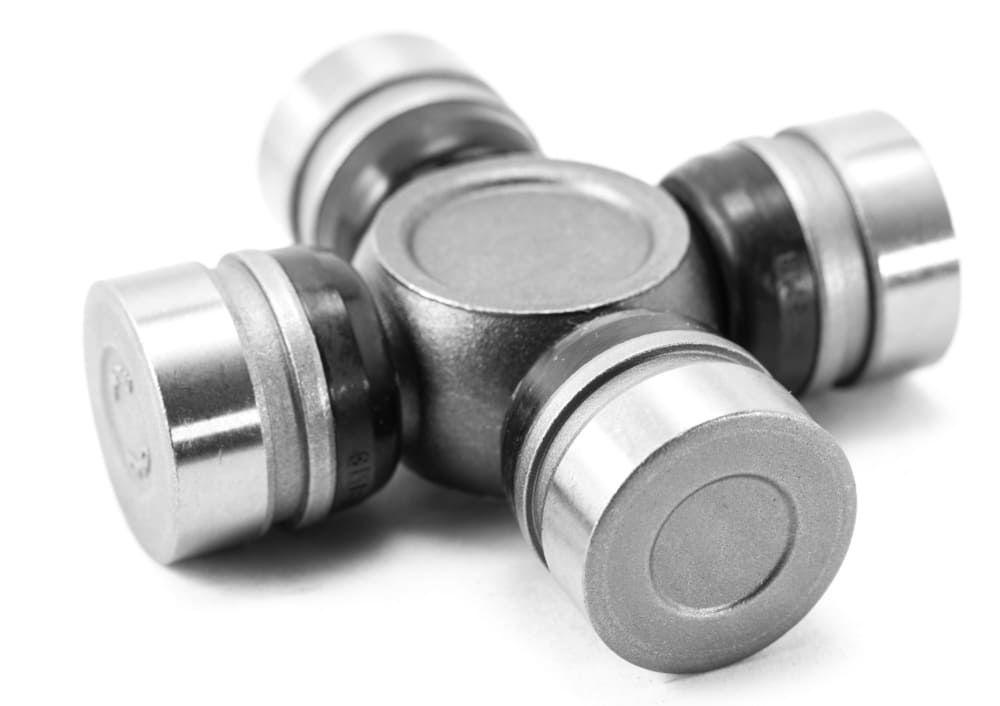
A CV joint is a component fitted to the axle that allows the wheels to turn and move up and down with the suspension while still receiving power from the engine.
If a CV joint fails, the car may click loudly when turning or lose the ability to drive altogether.
Signs of a broken axle
A failing or broken axle usually shows clear symptoms, and if you notice any of these, it’s time to get your vehicle checked out by a mechanic.
The most common signs include:
Strong vibrations when accelerating or turning
Loud clunking sounds
Wheels that wobble or feel unstable
Grease leaking near the wheel or CV joint
Difficulty steering
Uneven tyre wear
What noise does a broken axle make?
A broken or failing axle often produces a clunking, knocking or clicking sound, particularly when turning or accelerating.
A clicking noise when steering is often linked to a damaged CV joint, while a heavy clunk or bang can indicate a more serious axle problem.
In general, any unusual car sounds should always be checked out by a professional, as they can indicate other problems beyond a broken axle.
Can a pothole break an axle?
Yes. Striking a deep pothole at speed can bend or snap an axle.
The sudden impact sends force through the wheel and suspension, and if the blow is strong enough, it can cause immediate structural damage.
Common causes of broken axles
Potholes are a major cause of damaged axles. However, they’re not the only reason Brits face this problem.
The other most frequent causes include:
Hitting kerbs
Overloading the vehicle
Rust or corrosion on older cars
Worn suspension components
Lack of maintenance, especially of CV joints and boots
Is a bent axle a write-off?
A severely bent axle can make a vehicle uneconomical to repair, especially on older cars where the value is low.
If the damage has also affected suspension arms or the wheel hubs, the overall cost may exceed the vehicle’s worth. In this case, it’s not worth fixing, but this is very rare.
Does insurance cover axle damage?
Insurance may cover axle damage, but it depends entirely on the cause.
Comprehensive insurance often covers impacts from potholes, road debris, collisions, and vandalism, as these are considered accidental damage. Third-party policies do not usually cover these repairs unless another driver was at fault.
If you claim through insurance, you may need to pay the excess, and smaller repairs may not be worth claiming if the cost is close to your excess fee.
It’s always best to check your policy wording or speak to your insurer before booking a repair.
How to prevent axle damage
While not all axle failures can be avoided, adopting a few driving and maintenance habits can significantly reduce the risk.
Slow down for speed bumps and avoid potholes where you can
Keep suspension, wheel bearings and CV boots well maintained
Check tyres are inflated to the correct pressure to reduce shock loads
Avoid overloading the car or towing more than the vehicle is rated for
Book more frequent inspections if you regularly drive on rough roads
Can a damaged wheel bearing damage an axle?
Yes. A faulty wheel bearing can place additional stress on the axle and CV joint.
Over time, this can lead to accelerated wear or even structural failure, so noisy or rough-feeling bearings should be replaced promptly.
Is a broken axle worth fixing?
In most cases, yes. Because the axle is essential for power delivery and vehicle control, repairing or replacing it is vital for safety.
Also, it’s rarely something that can be postponed. Don't try to put it off!
Can I drive with a broken axle?
No. Driving with a broken or severely damaged axle is dangerous.
It can cause the wheels to lock, wobble or even separate from the vehicle. So, if you suspect axle damage, the car should not be driven until it has been inspected.
Last thoughts
A broken axle is a serious fault, but most problems can be repaired quickly and at a reasonable cost if caught early. Paying attention to unusual noises, vibrations and leaks can help you spot issues before they become severe.
If you suspect axle damage, book an inspection as soon as possible to keep your car safe and roadworthy!
Split the cost with Bumper
Don’t let a broken axle delay your journeys. A car repair loan can split the cost into interest-free repayments.
Apply online for up to £5,000 and choose from 1,000s of trusted repairers.

Split your car repair cost over monthly repayments interest-free.
Split the cost of your next repair
Other related articles from our blog

Advice
2 min read
This summer car washing method could be wrecking your vehicle
Every driver wants to have a clean car, but washing your car with this popular summer method could lead to premature ageing of the vehicle's tyres.

Advice
2 min read
Everyday driving mistake that could cost you thousands
Drivers are discovering that a simple driving habit could land them a big fine. Discover more about the everyday driving mistake that could cost you thousands.
Advice
5 min read
Tyre Replacement Cost Guide: £45 to £250+ (2026)
Tyre replacement costs range from £45 to over £250 for British drivers. See a list of tyre change costs and find out what your car needs online with Bumper.


