Central Locking Replacement Cost Guide: £100 to £300 (2026)
In the UK, a central locking replacement cost can sit between £100 and £300+.
When it works, it’s effortless. When it doesn’t, you quickly notice!
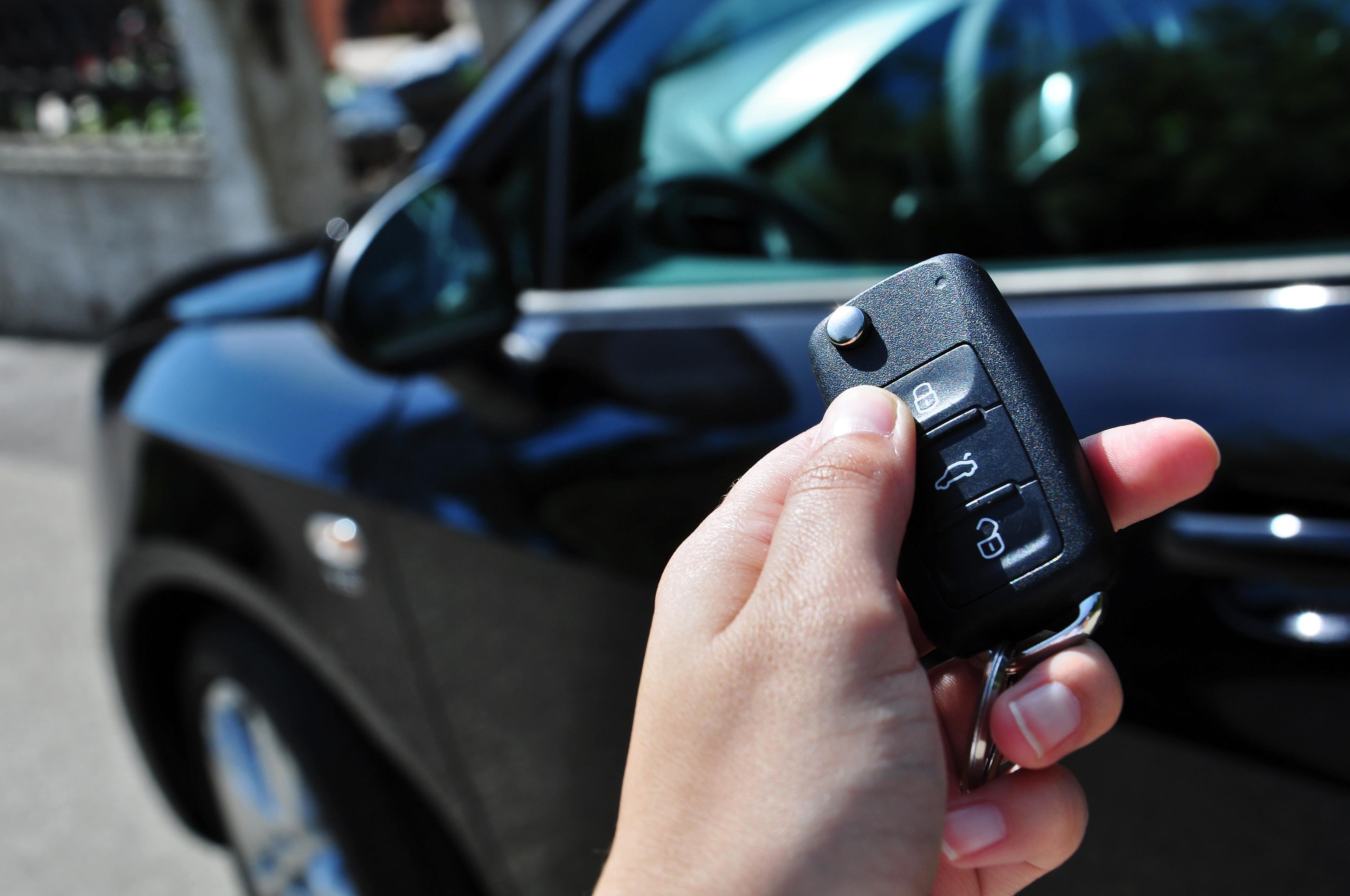
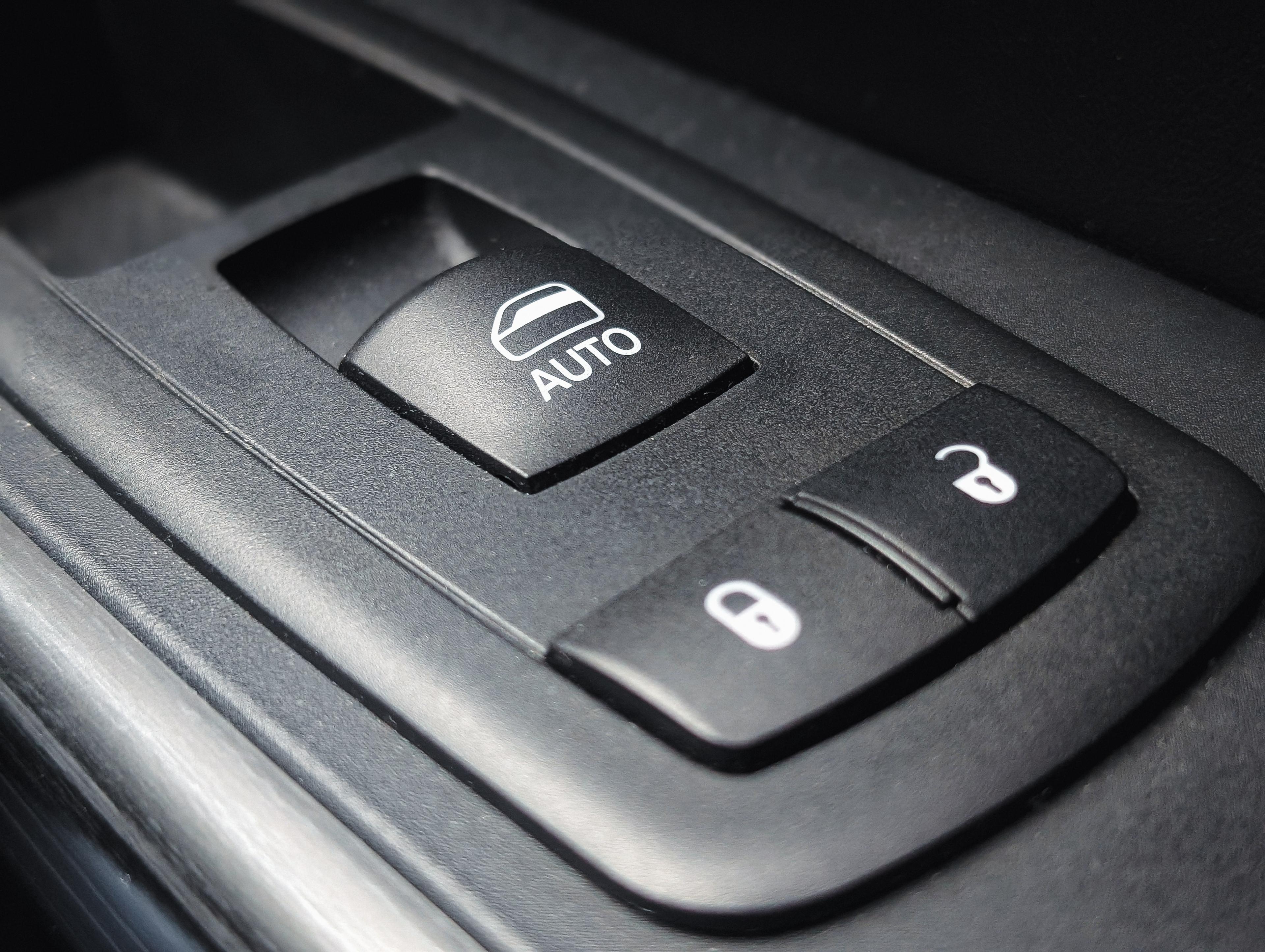
Central locking is the system that lets you lock or unlock all your car doors at once using a key fob or interior switch. It works by sending an electronic signal to small motors (actuators) inside each door, which physically move the locking mechanism.
Here’s what you need to know about central locking replacement costs in 2026.
How much does a central locking replacement cost?
In the UK, the average cost to repair or replace a central locking system is around £100 to £300, with a typical average of £146 depending on the fault and vehicle type.
Costs vary because central locking systems are made up of multiple components — and you’re often only paying to fix the part that has failed.
Naturally, luxury and high-tech vehicles tend to sit at the higher end due to more complex electronic systems. Here’s how the costs break down in 2026.
Type of repair | Typical cost |
Minor fixes (fuse, wiring issue) | £50 – £120 |
Single door actuator replacement | £100 – £180 |
Full system repair or complex electrical fault | £200 – £300+ |
If you need a new locking system, you can consider car repair finance to split the central locking system replacement cost into interest-free repayments.
Central locking replacement costs per car make
Central locking repair costs can vary significantly depending on the vehicle brand, largely due to differences in electrical system complexity and parts pricing.
Here are the average costs for UK drivers in 2026:
Car make | Average cost |
Audi | £153.39 |
BMW | £132.54 |
Citroën | £99.16 |
Ford | £142.13 |
Mercedes-Benz | £215.85 |
MINI | £89.17 |
Nissan | £122.61 |
Peugeot | £164.32 |
Renault | £98.99 |
Vauxhall | £119.09 |
Volkswagen | £97.83 |
Volvo | £281.17 |
How long does a central locking replacement take?
A central locking repair or replacement typically takes between 1 and 3 hours, depending on the fault and vehicle type.
Simple issues like fuse replacement or a single actuator swap are quicker, while diagnosing electrical faults or replacing multiple door components can take longer due to testing and panel removal.
Types of central locking system replacement
Central locking replacements can range from minor component swaps to full system repairs, depending on where the fault is located.
Usually, only the failed part needs replacing, but more complex electrical issues may require broader work.
Here are the main types of repairs and replacements:
Single door actuator replacement (most common fix)
Partial wiring repair or connector replacement
Fuse or relay replacement for simple electrical faults
Key fob or receiver unit replacement/reprogramming
Full system or control module replacement (rare cases)
Pro Tip: Always book in with a garage to get an expert opinion. Bumper never recommends diagnosing car problems if you do not have experience with vehicles.
Can central locking be fixed? (Repair vs replacement)
Yes. Central locking systems can be repaired rather than fully replaced.
A mechanic will usually diagnose the fault first, because the issue is often isolated to one component rather than the whole system.
Common repairable issues include:
Faulty door actuators
Broken wiring or loose connections
Blown fuses
Key fob battery or signal issues
However, if multiple components fail or the control module is damaged, a full replacement may be more cost-effective than repeated repairs.
Signs of a faulty central locking system
Common signs of a faulty central locking system usually appear gradually, starting with inconsistent door response or unusual sounds when locking and unlocking the vehicle.
These symptoms often point to electrical or actuator-related issues that need inspection, but you should also look out for:
Doors not locking or unlocking consistently
Unusual clicking or buzzing noises from inside the doors
Only some doors responding to the key fob
System working intermittently or unpredictably
Complete failure of the central locking system
How to fix a car lock not working?
If your car lock stops working, the cause depends on whether the issue affects one door or all doors.
A basic troubleshooting process includes:
Checking the key fob battery
Inspecting the fuse box for blown fuses
Testing whether other doors respond normally
Listening for clicking sounds inside the door
If only one door is affected, it’s usually the actuator inside that door. If all doors fail at once, the issue is more likely electrical or fob-related. However, because modern systems are electronically controlled, most permanent fixes require a diagnostic check rather than DIY repair.
How do I reset my central locking?
Resetting the system can sometimes fix minor electronic glitches.
Common reset method:
Sit inside the car with all doors closed
Turn ignition to “on” (engine off)
Hold the lock/unlock button on the key fob for several seconds
Turn ignition off and repeat if needed
In some vehicles, removing and reinserting the key fob battery can also help reset the signal. However, many modern cars require manufacturer-level diagnostic tools to properly reset or re-sync the system.
If a manual reset doesn’t work, Bumper suggests that a garage diagnostic should be the next step.
Is central locking an MOT failure?
A faulty central locking system is not usually an MOT failure, because it is not considered a core safety inspection item.
However, there is an important exception. If a faulty lock prevents a door from closing or securing properly, it can contribute to an MOT failure
So, central locking itself isn’t tested directly, but related door security issues can still affect your MOT result.
Can I fix central locking myself?
Some minor issues can be fixed at home, but most central locking problems are electrical and require diagnostics.
Possible DIY fixes include replacing the key fob battery, checking fuses, or cleaning visible door latch components. Bumper suggests only trying these out if you know what you’re looking for. If you’re unsure, it’s always best to contact a mechanic.
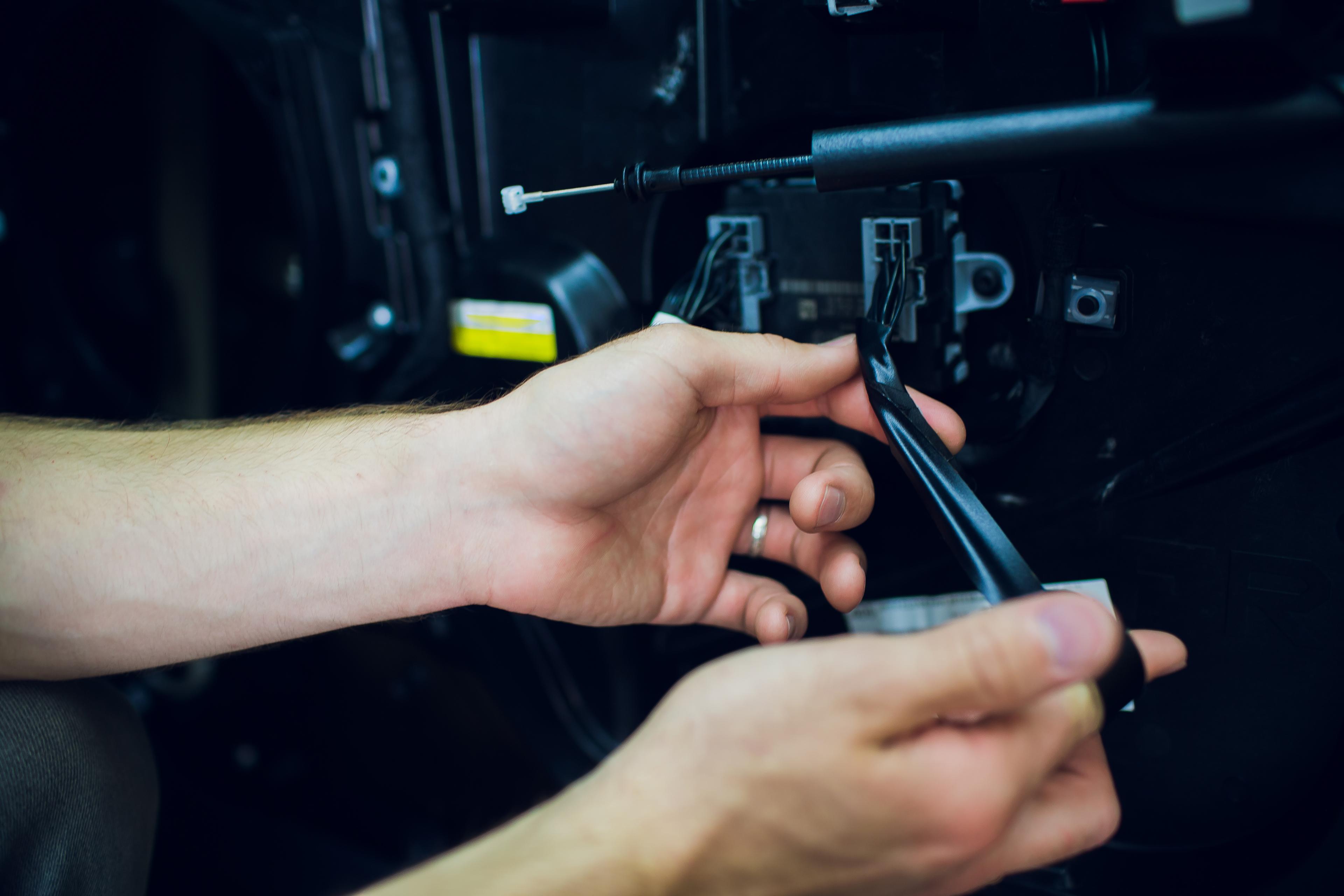
Repairs involving door panel removal, wiring faults, actuator replacement, and control module issues are best handled by a qualified mechanic or auto electrician. Modern systems are tightly integrated, so incorrect repairs can easily create further electrical faults.
Final thoughts
Central locking issues are usually caused by small, fixable faults rather than full system failure. Most replacements fall in the £100 to £300 range, depending on whether it’s a simple electrical fix or a full actuator replacement. If in doubt, always contact a professional.
Split the cost with Bumper
Central locking system playing up? Consider a car repair loan to split central locking replacement costs into monthly payments at no extra cost.
Apply online for up to £5,000 and choose from 1,000s of trusted repairers.

Split your car repair cost over monthly repayments interest-free.
Split the cost of your next repair
Other related articles from our blog
Advice
2 min read
Andy Burnham puts an end to 'rip-off' parking charges and scams
The Government's new Private Parking Code of Practice outlines plans to reduce the effect of inflated parking fines in private car parks. Learn more about the Government's new plans here.

Advice
1 min read
Why the clocks going back could mean a big problem for drivers
A campaign has revealed why the end of British Summer Time could spell disaster for some drivers. Discover how reduced visibility at night and the start of a well-known animal's breeding season could increase the risk of a collision for some motorists.

Advice
3 min read
What the new Budget could mean for drivers: full list of potential changes
A full list of potential changes for drivers in the Government's upcoming Autumn Budget. What the new Budget could mean for the cost of fuel and EV ownership.


