How to Bleed Brakes (Step-by-Step Guide)
Brake bleeding removes air from your car’s hydraulic braking system to restore full braking performance. Air reduces pressure and makes pedals feel soft or spongy. If you notice this, it’s time to bleed the brakes!
This guide explains how to bleed brakes safely, when it’s needed, and why it’s essential for reliable stopping power.
What does bleeding the brakes mean?
Your braking system uses hydraulic pressure to transfer force from the brake pedal to the wheels via brake fluid.
Brake fluid is not compressible, which is what makes it effective. Air, however, is compressible, and when it enters the system, it reduces braking efficiency.
Bleeding brakes is the process of removing trapped air bubbles from the brake lines so the system can build consistent pressure again. You can do this at home or with a mechanic, and you can use car repair finance to split the cost into interest-free repayments.
Signs your brakes need bleeding
There are a few common signs that suggest air may be present in your braking system:
A soft or spongy brake pedal
Longer brake pedal travel than usual
Reduced braking performance
Needing to pump the brakes to stop effectively
You may also need to bleed your brakes after replacing components like brake hoses, wheel cylinders, or callipers, or if it’s been around 2 years since the last brake fluid change.
What you’ll need to bleed the brakes
Before starting, gather the correct tools and safety equipment. As a note, you should only bleed your car’s brakes if you have experience working on cars.
Equipment needed:
Brake fluid suitable for your vehicle
Jack and axle stands
Spanner for bleed nipples
Clear tubing and a container
Penetrating fluid (for seized fittings)
Gloves and protective clothing
A helper (strongly recommended)
Pro Tip: Brake fluid is highly corrosive to paint, so take care to avoid spills.
How to bleed brakes step-by-step
Here are the step-by-step instructions on how to bleed your car’s brakes.
Bumper only suggests bleeding the brakes if you have previous experience working with cars.
Step 1: Top up brake fluid
Locate the master cylinder under the bonnet and fill it to the maximum mark. Keep checking it throughout the process so it never runs dry.
Step 2: Identify bleeding order
Start with the brake furthest from the master cylinder and work your way closer. This helps prevent air from moving back through already-bleed lines.
Pro Tip: Check your vehicle handbook if unsure where.
Step 3: Loosen bleed nipple
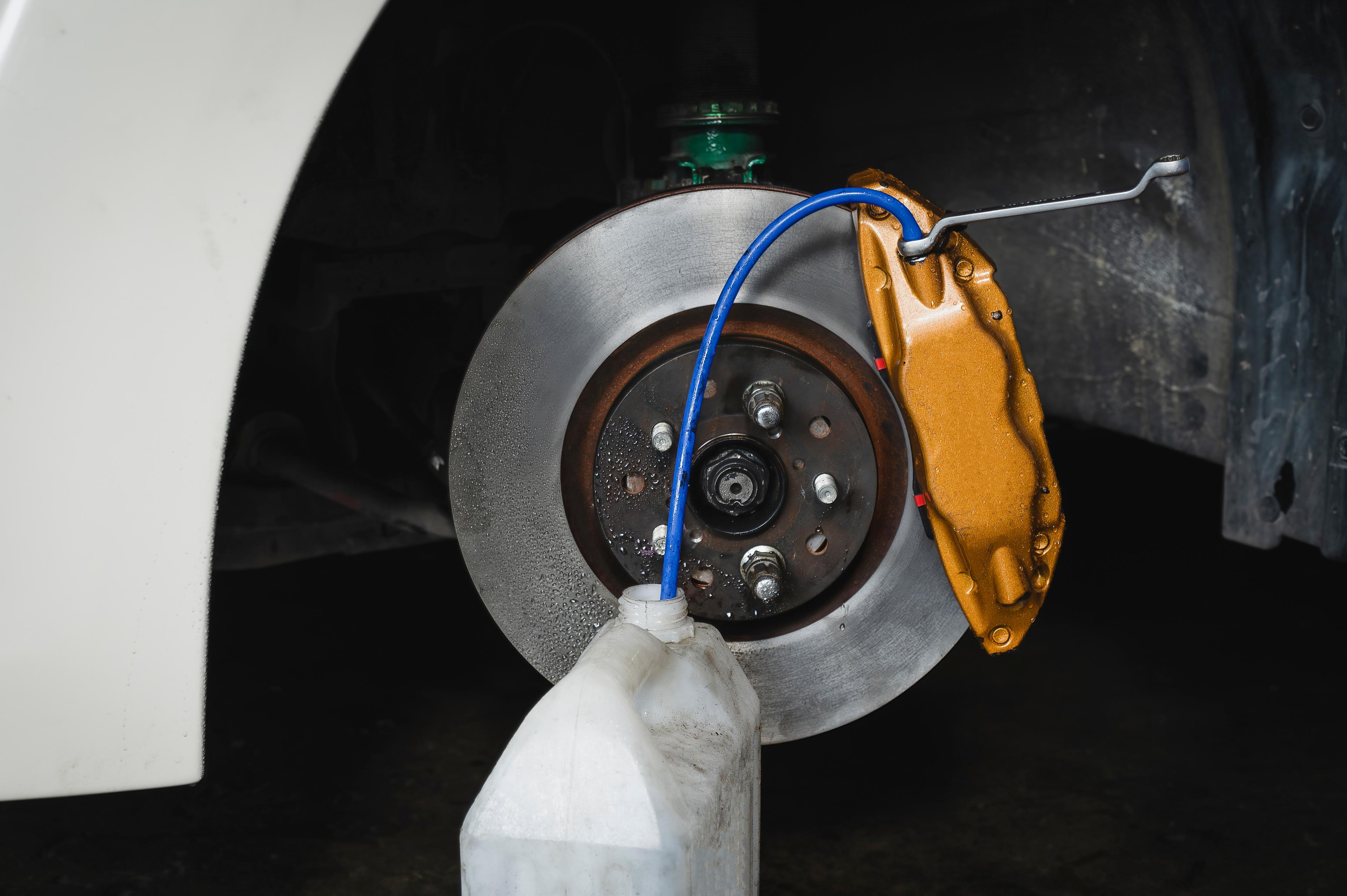
Locate the bleed nipple on the brake caliper or wheel cylinder. Loosen it slightly using the correct spanner but do not fully remove it.
Step 4: Attach tubing
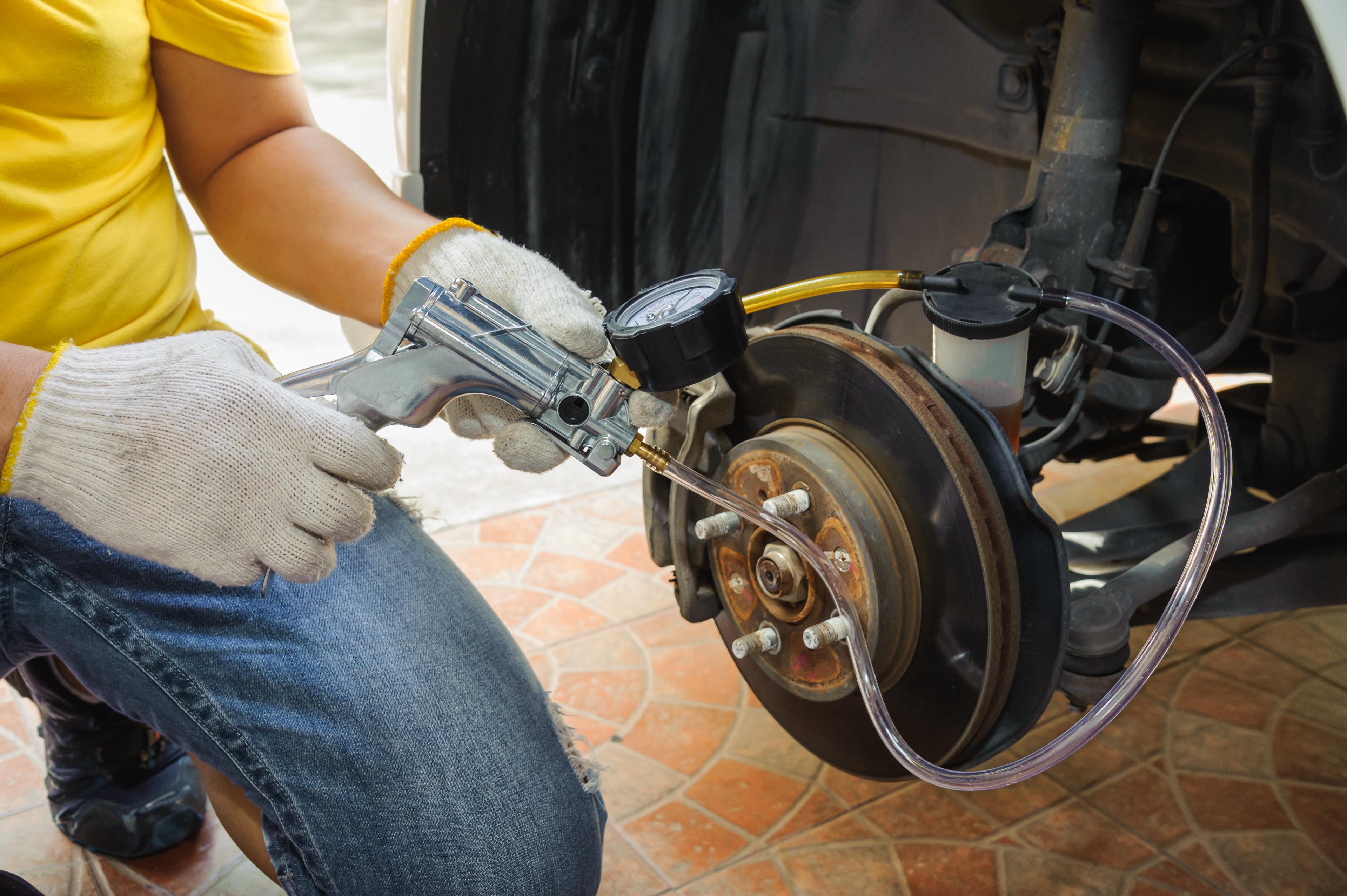
Secure clear tubing over the nipple and place the other end in a container to catch old brake fluid.
Step 5: Pump the brake pedal
Have your helper slowly pump the brake pedal three to four times, then hold it down.
Open the bleed nipple so fluid and air bubbles flow through the tube. Close the nipple before the pedal is released.
Step 6: Repeat until clear
Continue this process until the fluid runs clear with no air bubbles. Keep topping up the master cylinder throughout.
Step 7: Repeat on all wheels
Move around the vehicle repeating the process on each wheel and finish with the wheel closest to the master cylinder.
Step 8: Final test
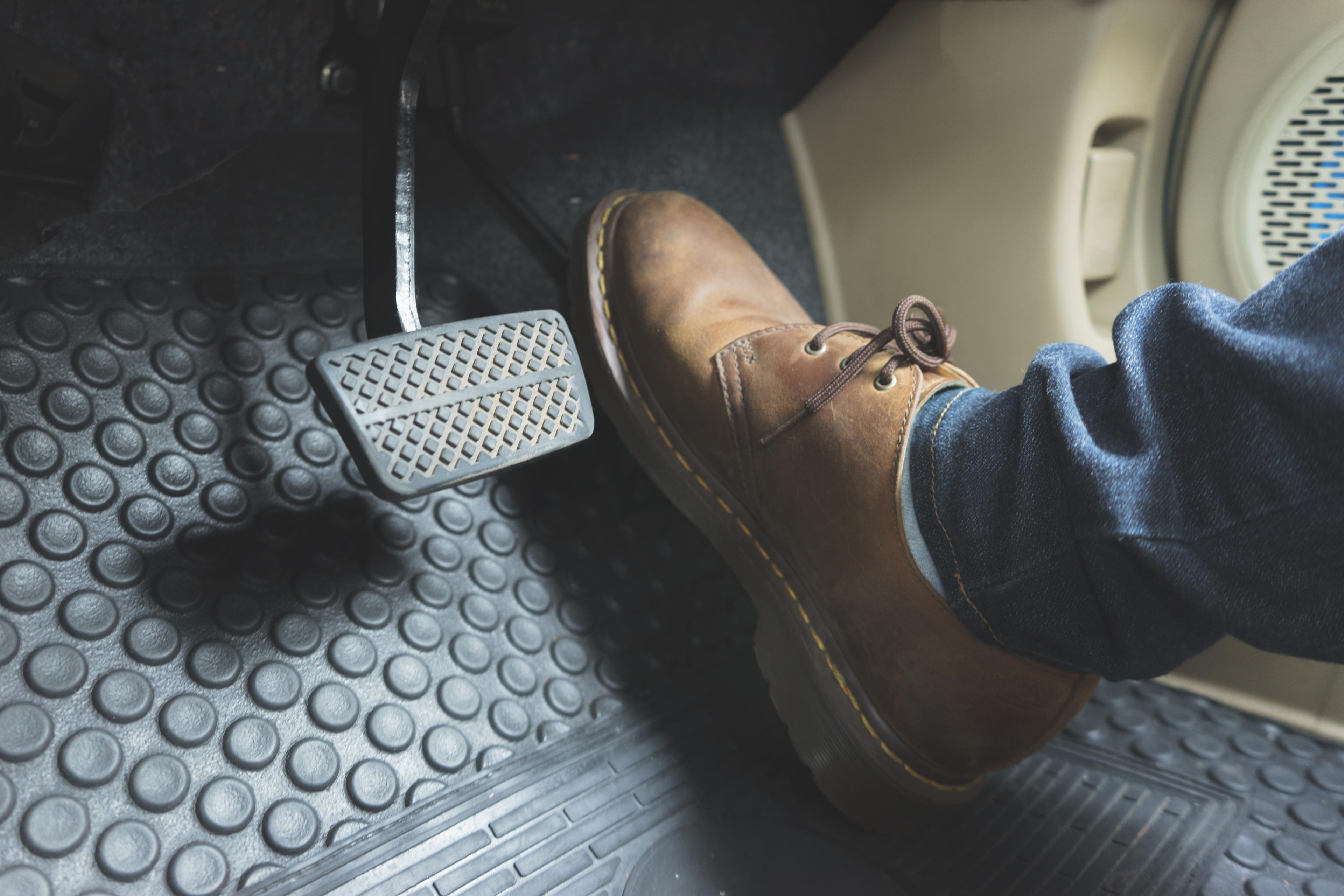
Once complete, press the brake pedal. It should feel firm and responsive. If it still feels soft, repeat the process.
Common mistakes when bleeding brakes
There are some mistakes that are more common than others when bleeding the brakes.
Be careful with the following:
Letting the brake fluid reservoir run dry
Opening bleed nipples while the pedal is released
Using the wrong bleeding order
Not tightening nipples properly after bleeding
Rushing the process and leaving air in the system
How to bleed brakes - FAQs
Here are the most frequently asked questions about bleeding car brakes.
Do you bleed brakes with the car running or off?
In most cases, the engine should be switched off. Some modern systems may have manufacturer-specific requirements, but generally brake bleeding is performed with the ignition off for safety.
Do you have to bleed all four brakes?
Yes, it is usually recommended to bleed all four wheels.
Even if only one brake was worked on, air can travel through the system. A full bleed ensures consistent pressure.
Can you drive with air in the brake lines?
No. Air in the brake lines reduces braking performance and increases stopping distances.
In severe cases, it can significantly compromise vehicle safety, so the issue should be fixed immediately.
What does air in the brakes feel like?
Air in the system typically feels like a soft or spongy brake pedal.
You may also notice inconsistent braking response or a need to pump the pedal to generate stopping force.
Will the brake system eventually bleed itself?
No. Air does not reliably escape on its own. It becomes trapped in the lines or calipers and must be manually removed through bleeding.
How many times do you pump brakes when bleeding?
Typically, the brake pedal is pumped three to four times per cycle. The pedal is then held down while the bleed nipple is opened to release air and fluid.
How long does it take to bleed brakes?
For most DIY situations, it can take between 30 and 60 minutes. However, seized fittings or trapped air can extend this significantly.
When to leave bleeding to the professionals
Brake systems are safety-critical, and mistakes can seriously affect stopping performance. Modern vehicles with ABS may also require specialist diagnostic tools to fully remove air from the system.
If you’re unsure where to begin, dealing with stubborn bleed nipples, or still experiencing a soft pedal after attempting a bleed, it’s safer to have the system inspected by a professional mechanic.
You can search for a local garage through Bumper to get your brakes checked and spread the cost of any repairs, helping you get back on the road safely without upfront pressure.
Last thoughts
Brake bleeding restores safe and responsive braking by removing air from the system. As soon as you experience poor braking or other signs, it’s time to bleed the brakes.
However, if you’ve never worked on cars before or have tried the DIY route and the pedal stays soft, it’s best to have a professional inspect it.
Split the cost with Bumper
Bleeding the brakes can be tricky, but, with Bumper, you can split the cost of a professional brake bleeding with a car repair loan at no extra cost.
Apply online for up to £5,000 and choose from 1,000s of trusted repairers.

Split your car repair cost over monthly repayments interest-free.
Split the cost of your next repair
Other related articles from our blog
Advice
2 min read
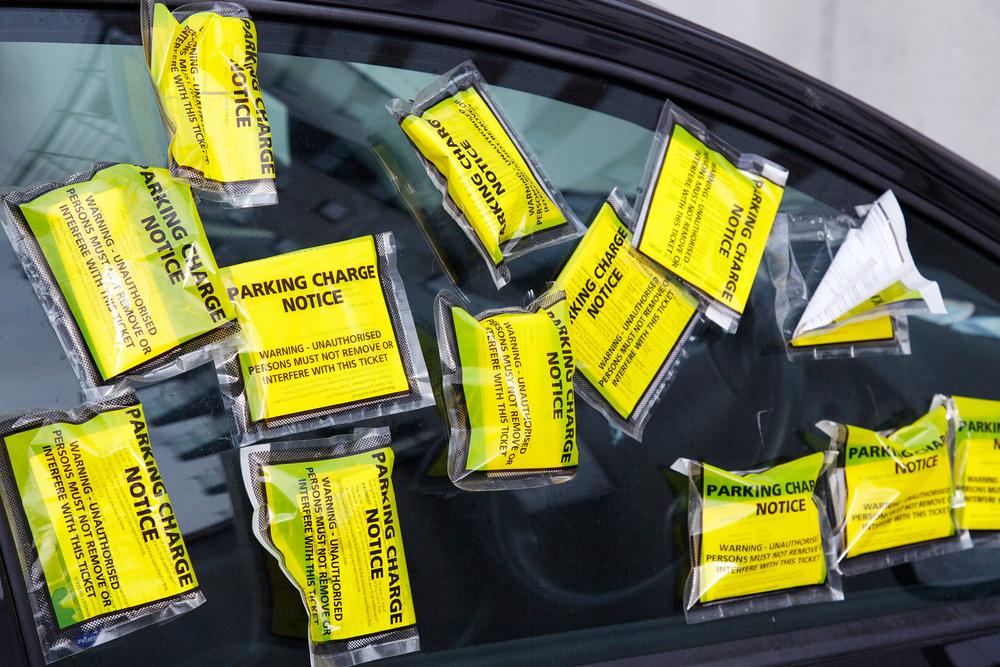
Andy Burnham puts an end to 'rip-off' parking charges and scams
The Government's new Private Parking Code of Practice outlines plans to reduce the effect of inflated parking fines in private car parks. Learn more about the Government's new plans here.

Advice
1 min read
Why the clocks going back could mean a big problem for drivers
A campaign has revealed why the end of British Summer Time could spell disaster for some drivers. Discover how reduced visibility at night and the start of a well-known animal's breeding season could increase the risk of a collision for some motorists.

Advice
3 min read
What the new Budget could mean for drivers: full list of potential changes
A full list of potential changes for drivers in the Government's upcoming Autumn Budget. What the new Budget could mean for the cost of fuel and EV ownership.


