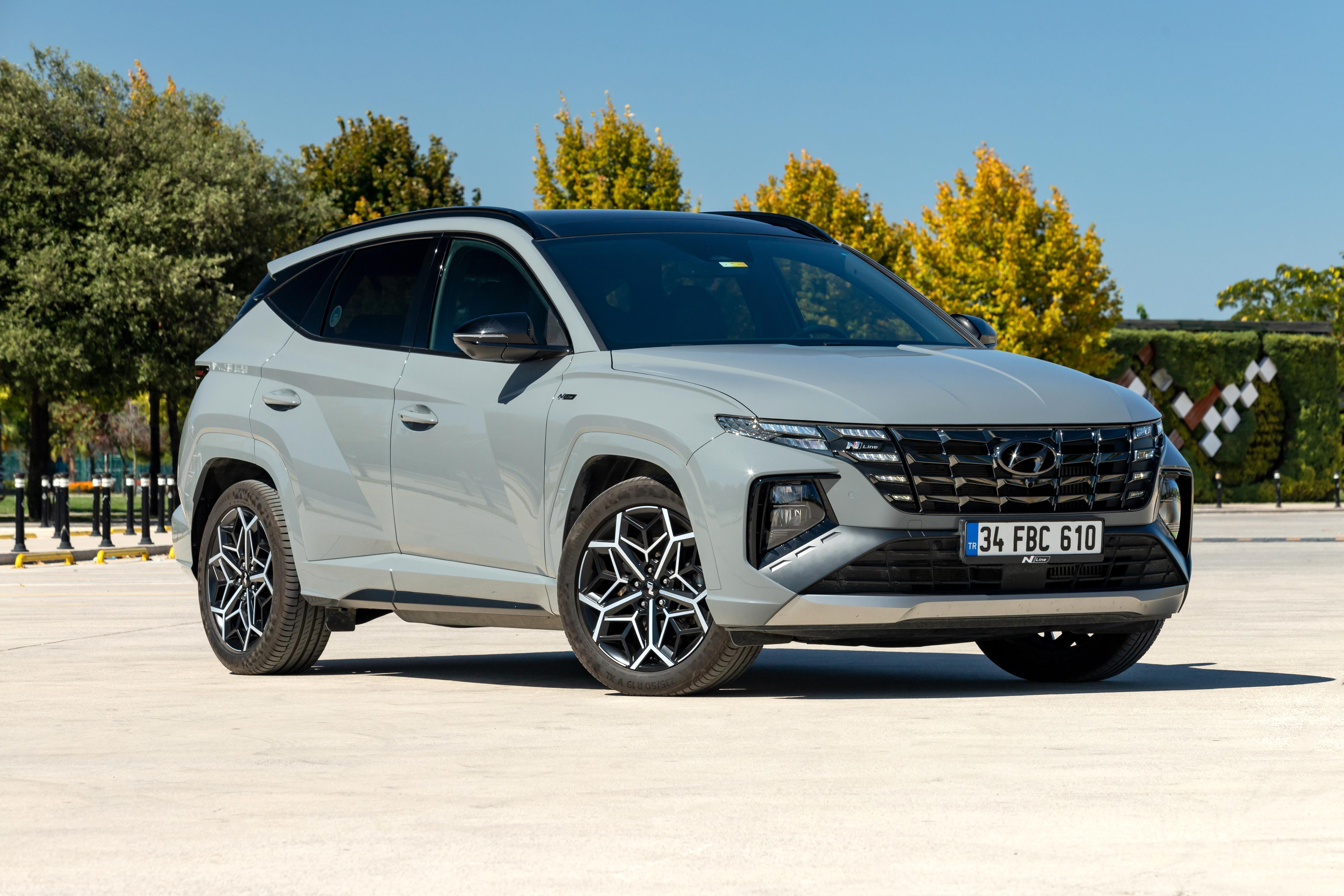
Is the Hyundai Tucson Reliable? Common Problems (2026 Guide)
The Hyundai Tucson has been one of the UK’s most popular crossovers for years, offering value, comfort and a generous standard spec list. From the older diesel models to the latest hybrid and plug-in hybrid versions, it’s a strong all-rounder in its class.
But how does it fare in terms of reliability? In 2026, the Hyundai Tucson is generally reliable. However, some early recalls and software issues mean you should do your due diligence before you purchase one.
In this guide, we explore common Tucson issues reported by owners, along with key recalls and known faults to be aware of before buying.
Is the Hyundai Tucson Reliable?
Generally, yes – the Hyundai Tucson is considered one of the more dependable options in the compact SUV segment in 2026.
Hyundai’s five-year unlimited mileage warranty provides peace of mind, and reliability surveys such as those from What Car? have placed the Tucson near the top of their rankings in recent years.
However, like all cars, it’s not entirely fault-free. Owners of both diesel and hybrid models have reported recurring issues with electronics, the DCT gearbox, and occasional engine sensor faults.
Performance can also vary between petrol, hybrid and plug-in hybrid versions, so checking model-specific owner reports and recall history remains worthwhile.
Is the Hyundai Tucson Hybrid Reliable?
The Hyundai Tucson Hybrid is widely seen as a dependable SUV, pairing a 1.6 T-GDi petrol engine with a 1.49 kWh battery and a six-speed automatic gearbox rather than a CVT, which supports long-term durability.
Generally, it delivers efficiency benefits without external charging, and most real-world feedback is positive.
Reported issues tend to focus on:
Infotainment freezes
Sensor warnings
Occasional 12V battery drain
Overall, mechanical components, including fuel systems and regenerative braking, are stable, although reliability can still vary by model year, so checking service and recall history is advisable.
Is the Hyundai Tucson Plug-in Hybrid (PHEV) Reliable?
The Hyundai Tucson Plug-in Hybrid (PHEV) is regarded as a reliable SUV, combining a 1.6 T-GDi petrol engine with a larger battery and electric motor setup that typically delivers around 30 to 40 miles of electric-only driving in real-world use.
The PHEV model suits short commutes and mixed journeys, offering strong efficiency with petrol backup when needed.
Reported issues tend to include:
Charging port or connection faults
Minor software glitches between electric and petrol modes
Occasional infotainment or warning messages
The core mechanical system is considered durable, but the added charging hardware and electronics introduce extra complexity, making service history and software updates worth checking.
Are there negatives of the Hyundai Tucson Hybrid?
Yes, there are a few commonly reported drawbacks with the Hyundai Tucson Hybrid, although many are relatively minor and depend on model year and use case.
Some drivers note that the infotainment system can feel slow or occasionally glitchy, with laggy responses or system freezes. The hybrid’s transition between electric and petrol power is usually smooth, but it can feel less refined at low speeds compared with some rivals.
Real-world fuel economy can also vary more than expected depending on driving style and conditions.
Other negatives include a slightly firm ride on larger alloy wheels, limited rear visibility due to styling, and a boot that is smaller than some non-hybrid versions because of the battery placement.
DCT Gearbox Jerking / Hesitation (Hybrid & PHEV Models)
Some owners of hybrid and plug-in hybrid Tucsons have reported hesitation or jerky gear changes when pulling away or during low-speed manoeuvres. This is most often linked to the dual-clutch transmission (DCT), which can struggle at lower speeds or when crawling in traffic.
In some cases, the cause of the issue is down to a flywheel fault that needs attention and can be costly if out of warranty, however, most issues are eased with a clutch recalibration at the dealership.
Faulty NOx Sensor (Diesel Models)
Common in older 1.6 and 2.0 CRDi diesel Tucsons, a failed NOx sensor can trigger the engine management light and put the car into limp mode. This is a known issue and is easily fixed, but a replacement sensor typically costs several hundred pounds, including labour to fit.
Hyundai has acknowledged this fault in certain batches and has issued Technical Service Bulletins (TSBs) for affected vehicles, although it hasn't been classed as a full recall in the UK.
To check what recalls your car has received, regardless of the model, use the .gov recall checker.

Electrical Gremlins and Infotainment Freezes
Some owners, particularly of the latest generation models with the 10.25-inch touchscreen and digital cluster, have reported infotainment system glitches. These include unresponsive touchscreens, slow navigation systems, and the display freezing entirely.
With many controls, including the sat nav and some climate controls, accessed through the screen, this can be more than just annoying. Thankfully, most of these bugs can be resolved with a software update from the dealer.
Hyundai has pushed several updates to address compatibility with Android Auto and Apple CarPlay, though it remains a point of frustration for some users.
Boot Rattle and Interior Trim Noises
Interior rattles are another relatively minor but common complaint. Some owners report squeaks or rattles from the rear seats or boot area, especially on rough roads. While this doesn’t affect performance or safety, it can be irritating over time.
Hyundai dealerships have been known to add extra foam padding or adjust boot latches to reduce noise, particularly under warranty. Thankfully, the Hyundai standard warranty is one of the best around.
Is the Hyundai Tucson Worth It?
Despite a few known niggles, the Tucson remains one of the best family SUV choices on the market. Its generous warranty, practical layout, and high standard equipment levels make it a solid buy, new or used.
The hybrid and plug-in hybrid versions offer strong fuel efficiency, and if you prefer a petrol or diesel engine, the earlier models are known for their reliability when well-maintained. Just keep in mind the potential DCT quirks and occasional electrical issues – and make sure the service history is up to date.
Get Car Repair Finance With Bumper
Bumper offers car repair finance to spread out your bills. These can be for anything from engine replacements to tyres. Choose from one of 1000s of garages and dealerships and get zero-percent interest on car repairs today.

Split your car repair cost over monthly repayments interest-free.
Split the cost of your next repair
Other related articles from our blog

Advice
2 min read
This summer car washing method could be wrecking your vehicle
Every driver wants to have a clean car, but washing your car with this popular summer method could lead to premature ageing of the vehicle's tyres.

Advice
2 min read
Everyday driving mistake that could cost you thousands
Drivers are discovering that a simple driving habit could land them a big fine. Discover more about the everyday driving mistake that could cost you thousands.

Advice
5 min read
Tyre Replacement Cost Guide: £45 to £250+ (2026)
Tyre replacement costs range from £45 to over £250 for British drivers. See a list of tyre change costs and find out what your car needs online with Bumper.


