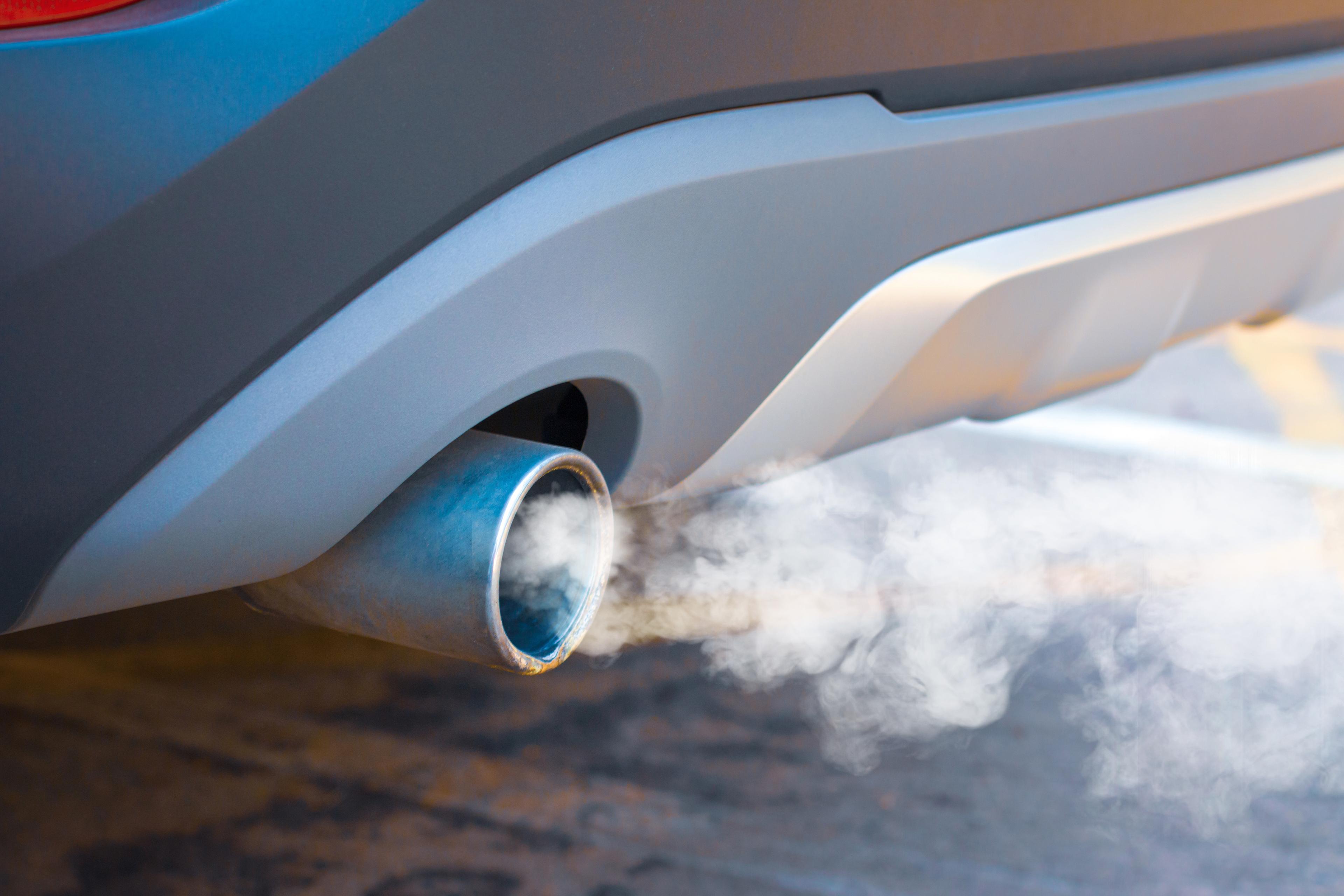
Why smoke is coming out of your exhaust and what the colours mean
Smoke from your car's exhaust can be a worrying thing to see, as it's usually an indication that there's something wrong.
The one upside to the smoke, however, is that it can be very useful in diagnosing the issue, as different issues produce different colours.
We’ll explain the potential causes for any colour exhaust smoke you’re likely to see.
What each colour of smoke means from an engine
If your car is producing smoke from the exhaust pipe, keep an eye out for what colour it is. This can either be done by having a friend rev the engine slightly while stationary, or checking behind you while driving.
What causes white smoke from your exhaust?
White smoke is likely to be steam or water vapour.
A little white smoke at the very start of a journey is normal, but thick, consistent clouds of white smoke mean your engine is burning coolant. This indicates a blown head gasket, a warped engine block or a cracked cylinder head.
How to check if white smoke is caused by a blown head gasket
A blown head gasket is the best-case scenario when seeing white smoke from your exhaust. Typical signs include:
White smoke continuing after a few minutes of driving
Coolant level dropping quickly
A bubbling coolant tank
If you can see one or more of these signs, your white smoke is likely due to a blown head gasket.
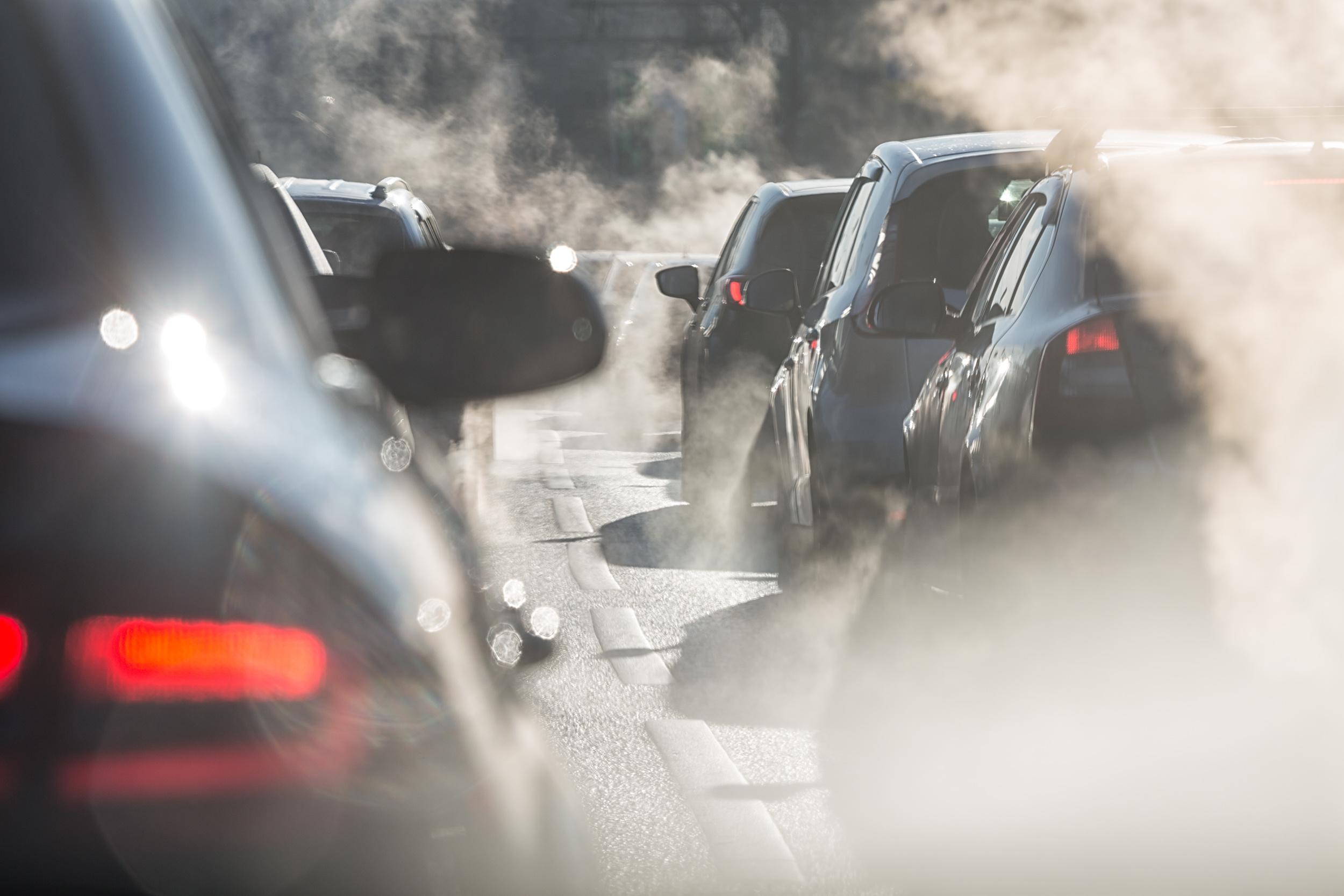
What causes blue smoke from an engine?
Blue smoke is caused by the engine burning oil. The cause depends on which component has started allowing oil into the engine. Likely causes include:
Worn turbo seals – turbochargers use oil to lubricate the spinning shaft. If these seals are worn down, oil can enter the engine.
Clogged PCV valve – the PCV valve redirects gases that leak past the pistons. When the system gets clogged, oil can be pushed through instead and burnt in the cylinders.
Worn piston rings – piston rings seal the piston to the cylinder wall. When they become worn (typically from high mileage or poor oil servicing), they can allow oil into the combustion chamber
Worn valve guides – valve guides hold the valves that allow air into the engine. When worn, they allow oil into the combustion chamber.
What causes black smoke from a petrol engine?
Large amounts of black smoke tend to indicate the fuel-to-air ratio is too rich. This can be from either too much fuel or not enough air. Likely causes include:
Worn or faulty injectors – if the injectors aren't metering the fuel properly, too much can enter before it can be burnt off. This appears as black smoke.
Turbo faults – the turbo's job is to increase the amount of air entering the cylinders. A fault here, such as worn bearings or a stuck actuator, will cause an air-fuel mixture that is too rich and generate black smoke
What causes black smoke from a Diesel engine?
Diesel engines operate differently to petrol engines. The issues listed above can be present in a diesel-engined car. However, there are some issues only a diesel car will experience. These are usually due to the DPF.
Can DPF issues cause black smoke?
The diesel particulate filter is a diesel-specific emissions device that reduces the amount of soot present in an engine's exhaust gases. Soot is created as part of the diesel engine cycle, but in cars fitted with a DPF, it is trapped and converted to ash. A problem with the DPF system can cause visible soot to be emitted.
Every diesel car from 2009 should have a DPF. Check out our guide on how DPF systems work and what problems you may experience.
What causes grey smoke from your exhaust?
Grey smoke can be caused by a few different issues. If a small amount of engine oil is being burnt, it may not present as thick black smoke but a lighter colour that looks grey in daylight.
Grey smoke from an automatic car
Some automatic gearboxes use a modulator system that is powered by negative pressure. As the engine's intake manifold experiences negative pressure in most situations, gearbox modulators are sometimes connected to the intake manifold.
If a problem occurs with the modulator, the vacuum in the intake manifold can suck transmission fluid into the intake, causing it to be ignited along with the fuel. This isn’t a very common problem and will only happen if the following conditions are met:
The car has a traditional automatic transmission, not a twin-clutch/DSG one
The car does not have a turbo - this rules out most diesel cars too
The grey smoke has a burnt rubber smell to it
What should exhaust emissions look like?
With a car that’s running well, you should never expect to see much from the exhaust pipe, except sometimes a little steam.
Light-coloured white smoke or steam is normal, especially when starting the engine on a cold day. The moisture from the air condenses in the exhaust as it heats up. The force of the exhaust gases then expels this as steam from the tailpipe.
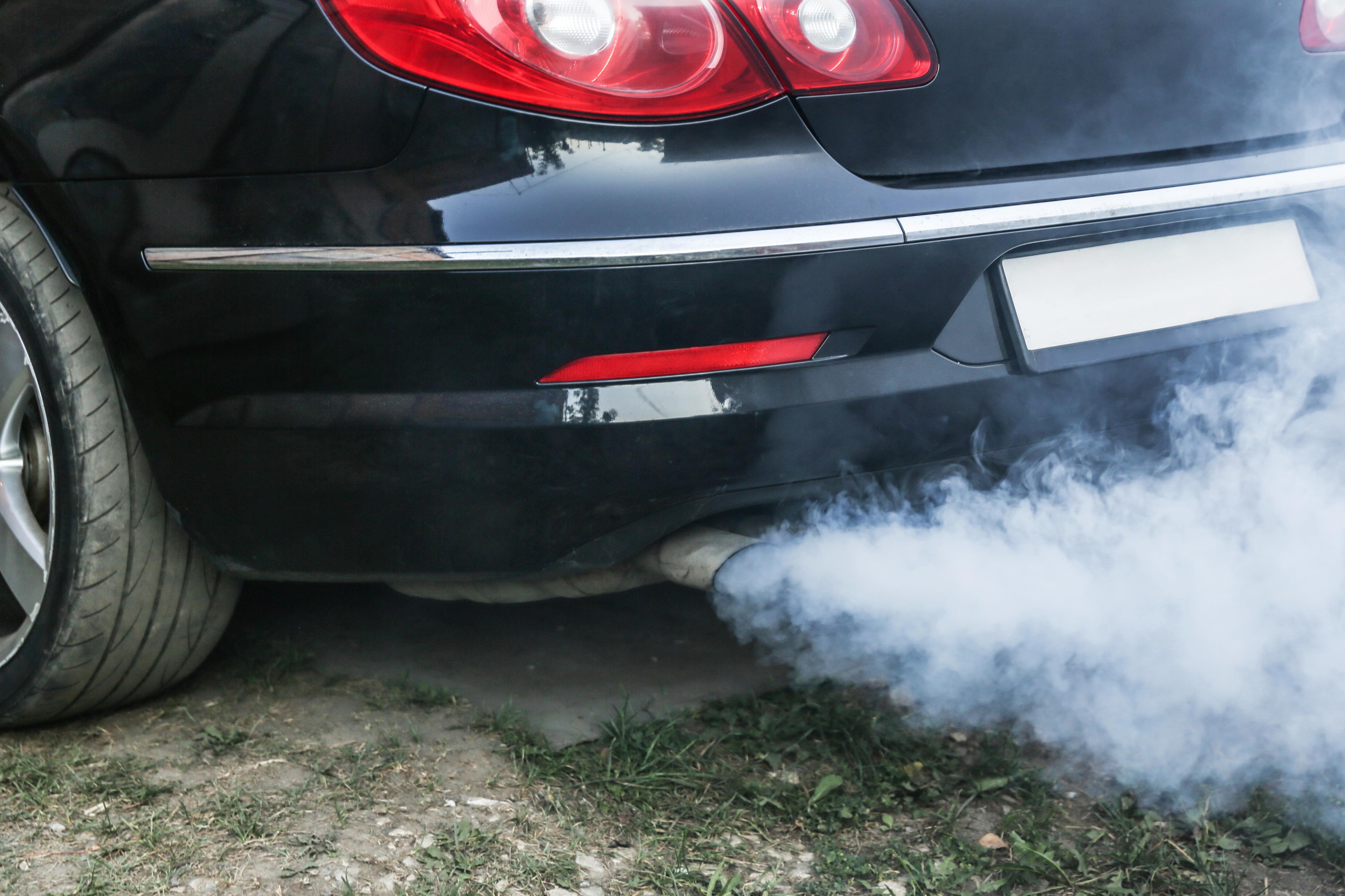
White smoke coming from the exhaust in cold weather
A small amount of white smoke when the car is cold is usually not a sign of anything serious. It’s actually just water vapour and is usually more noticeable on colder days.
Minimal white ‘smoke’ when the engine is cold is similar to seeing your breath on a cold day. The cold, humid air condenses inside the exhaust and is then turned into steam by the extremely hot exhaust gases.
Once the exhaust has warmed up, the smoke will stop.
Exhaust smoke smell in the car
If you can smell exhaust or fuel fumes inside the car, refrain from driving as soon as possible and finish the journey with the windows open. Being able to smell exhaust fumes inside the car is an indication there is a significant exhaust leak.
If you can smell exhaust or fuel fumes inside your car, take it to a mechanic or garage as soon as possible. Continuing to drive could cause coughing, breathing difficulties and other long-term effects.
Can I drive my car if the exhaust is smoking?
If the smoke dissipates quickly after the engine has warmed up, it's probably just water vapour and the car will be okay to drive. However, if the smoke is constant, regardless of the colour, you should not drive any further than necessary, ideally to a garage or repair centre.
Not only could the smoke-causing issue damage your engine, but it could also get you in trouble with the police if you’re obstructing the view of other drivers.

Split your car repair cost over monthly repayments interest-free.
Split the cost of your next repair
Other related articles from our blog
Advice
2 min read
Andy Burnham puts an end to 'rip-off' parking charges and scams
The Government's new Private Parking Code of Practice outlines plans to reduce the effect of inflated parking fines in private car parks. Learn more about the Government's new plans here.
Advice
1 min read
Why the clocks going back could mean a big problem for drivers
A campaign has revealed why the end of British Summer Time could spell disaster for some drivers. Discover how reduced visibility at night and the start of a well-known animal's breeding season could increase the risk of a collision for some motorists.
Advice
3 min read
What the new Budget could mean for drivers: full list of potential changes
A full list of potential changes for drivers in the Government's upcoming Autumn Budget. What the new Budget could mean for the cost of fuel and EV ownership.


