
All the changes affecting drivers from the Autumn 2026 Budget
The government revealed several changes affecting motorists' pockets in its Autumn Budget last week. Delivered by Chancellor John Healey on 28 October, the new Budget aims to give drivers some 'breathing space' amid the rising cost of running a vehicle.
From fuel and charging to road tax and mileage rates, here's what's changing and when.
Fuel duty discount extended for six months
The 5p cut on fuel duty introduced in March 2022 has been extended to July next year. Unless another extension happens in 2027, the end to the 5p cut will mean fuel duty increasing from the current 52.95p per litre to the previous level of 57.95p. On top of that, an inflation-linked rise is also due, so on an average 55-litre tank that's roughly £5 extra per fill-up.
Standard rate of road tax to increase from £200 to £210
Vehicle Excise Duty, known as road or car tax, is set to increase with inflation in April 2027. The government will update rates for cars, vans and motorcycles in line with the Retail Prices Index.
The amount of tax payable depends on the vehicle's registration date. Rates for vehicles registered on or before 31 March 2017 depend on the vehicle's engine size or emissions. Vehicles registered on or after 1 April 2017 pay a flat rate.
Most rates across all years of registration will increase, so drivers should expect to pay more. The standard, flat rate for newer cars will increase from £200 to £210 a year.
Pay-per-mile tax confirmed for electric cars
From April 2028, drivers with electric vehicles will have a new pay-per-mile charge known as Electric Vehicle Excise Duty (eVED). Electric cars will pay 3p per mile and plug-in hybrids will pay 1.5p per mile. The tax is on top of standard road tax and does not apply to self-charging hybrids.
For drivers covering 10,000 miles a year, that's an additional £300 for an electric car or £150 for a plug-in. The government plans to launch a mileage tool to help drivers estimate how much they'll pay. Details on how this will work in practice are unconfirmed.
£100m to bring down the cost of public charging
The government has pledged £100 million to reduce the cost of local, lower-powered public charging over the next two years. Starting in spring 2027, the funding is estimated to save drivers without access to at-home charging around £150 per year. Details of how the scheme will work are yet to be confirmed.
0% VAT on household electricity extended
The temporary cut to VAT on home electricity, from 5% to 0%, introduced in October 2026, has been extended. Originally due to end on 31 March 2027, it will now run until 1 July 2027. The government says this takes around £50 off a typical household's annual energy bill, a modest win that also helps EV drivers who charge at home.
Tax-free rates for business drivers kept at 55p per mile
Earlier this year, the government temporarily increased the tax-free mileage rate for people using their own vehicle for work from 45p to 55p per mile for the first 10,000 business miles. The Budget has made this permanent.
The government says around 2 million employees and 1 million self-employed people will save £120 a year in tax if they drive 6,000 business miles. The rate for miles above 10,000 is also rising from 25p to 35p, so someone driving 15,000 business miles could save up to £300 a year from both changes.

Split your car repair cost over monthly repayments interest-free.
Split the cost of your next repair
Other related articles from our blog

Advice
2 min read
Is it illegal to drive with the interior lights on?
It's a common belief that it's illegal to drive with the interior lights on whilst in the car. But is this a myth or fact? Bumper looks at what's legal and what's not.
Advice
2 min read
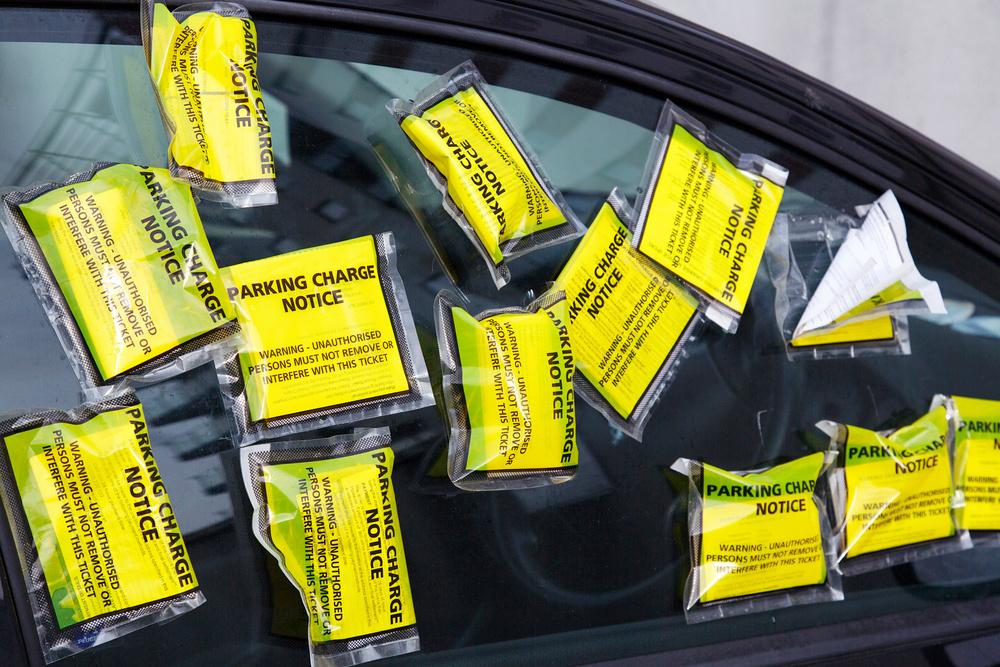
Andy Burnham puts an end to 'rip-off' parking charges and scams
The Government's new Private Parking Code of Practice outlines plans to reduce the effect of inflated parking fines in private car parks. Learn more about the Government's new plans here.
Advice
1 min read
Why the clocks going back could mean a big problem for drivers
A campaign has revealed why the end of British Summer Time could spell disaster for some drivers. Discover how reduced visibility at night and the start of a well-known animal's breeding season could increase the risk of a collision for some motorists.


