Timing Belt Replacement Cost - UK Prices 2026 (From £300)
Thinking about replacing your timing belt (or cambelt) but worried about the cost? The average timing belt replacement cost in the UK sits between £300 and £700.
Timing belt and timing chain replacements are one of those jobs you can’t ignore, but you don’t want to overpay either. And that’s where Bumper can help.
This guide breaks down everything you need to know about the cost of a timing belt replacement, what affects it, and how to avoid bigger (and more expensive) problems down the road.
Timing belt replacement costs in 2026
In the UK in 2026, the average timing belt replacement will set you back somewhere between £300 and £700. That covers the belt plus the cost of labour to strip down the engine and fit the new parts.
If you drive a luxury model or a car with a more complicated internal combustion engine, you can expect the price to climb past £1,000. Not cheap, but trust us, it's worth it to avoid the kind of extensive engine damage that a broken timing belt can cause.
Most garages will quote for:
A new timing belt kit (belt, tensioners, pulleys, etc.)
Sometimes, a water pump replacement (strongly recommended)
Labour costs vary depending on the garage, car, and materials needed.
Timing chain replacement costs in 2026
Need a timing chain rather than a timing belt? The average timing chain replacement cost in 2026 is between £700 and £1,500.
Timing chains are more expensive to replace than timing belts because the job is more labour-intensive and often requires partial engine disassembly. For luxury cars or vehicles with more complex engines, costs can exceed £2,000.
Most garages will quote for:
A new timing chain kit (chain, guides, tensioners, sprockets, etc.)
Oil and filter replacement
Sometimes, related components such as seals or the water pump
Again, as with any repair, labour costs vary depending on the car, garage, and engine layout.
Timing belt vs timing chain: key differences and costs
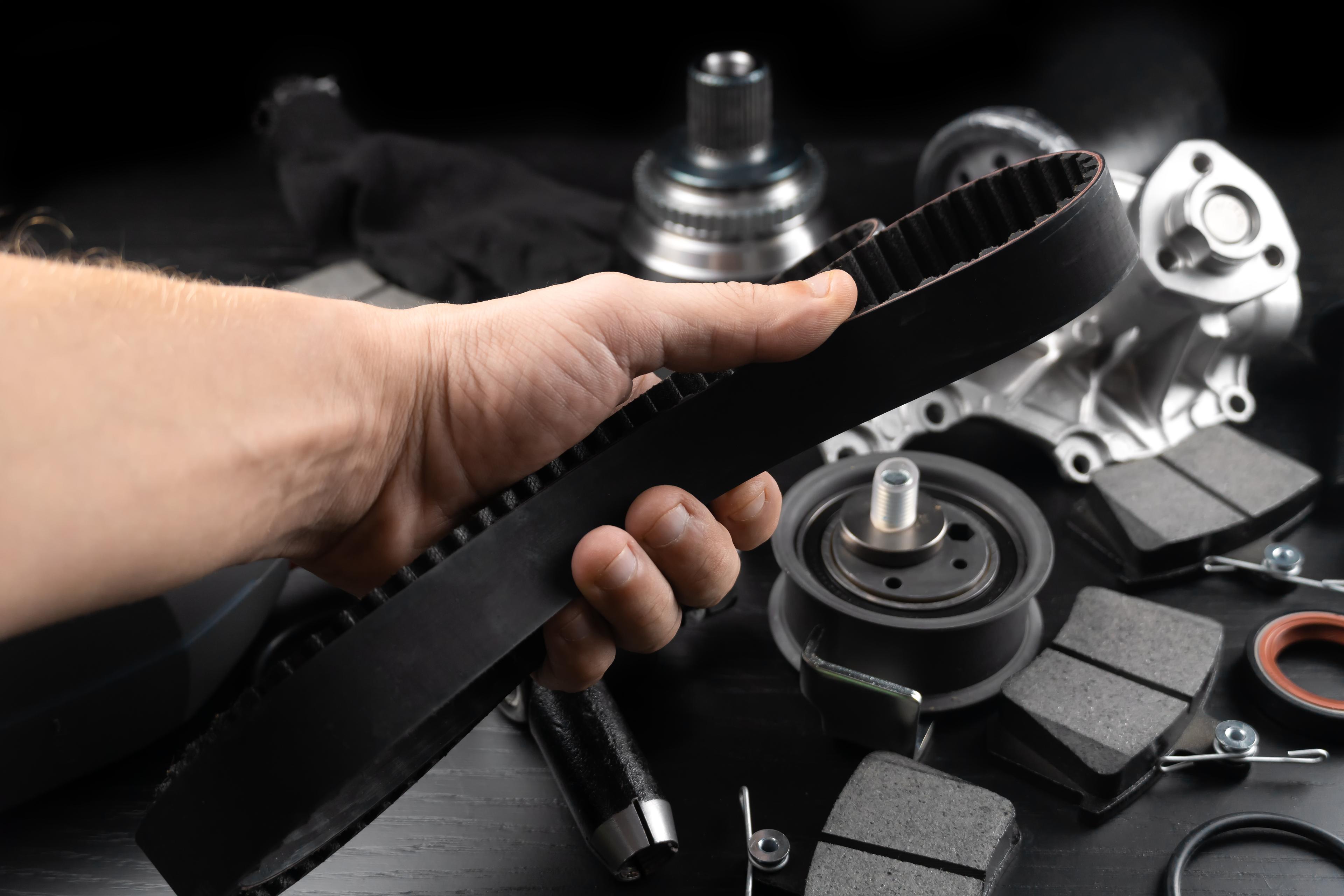
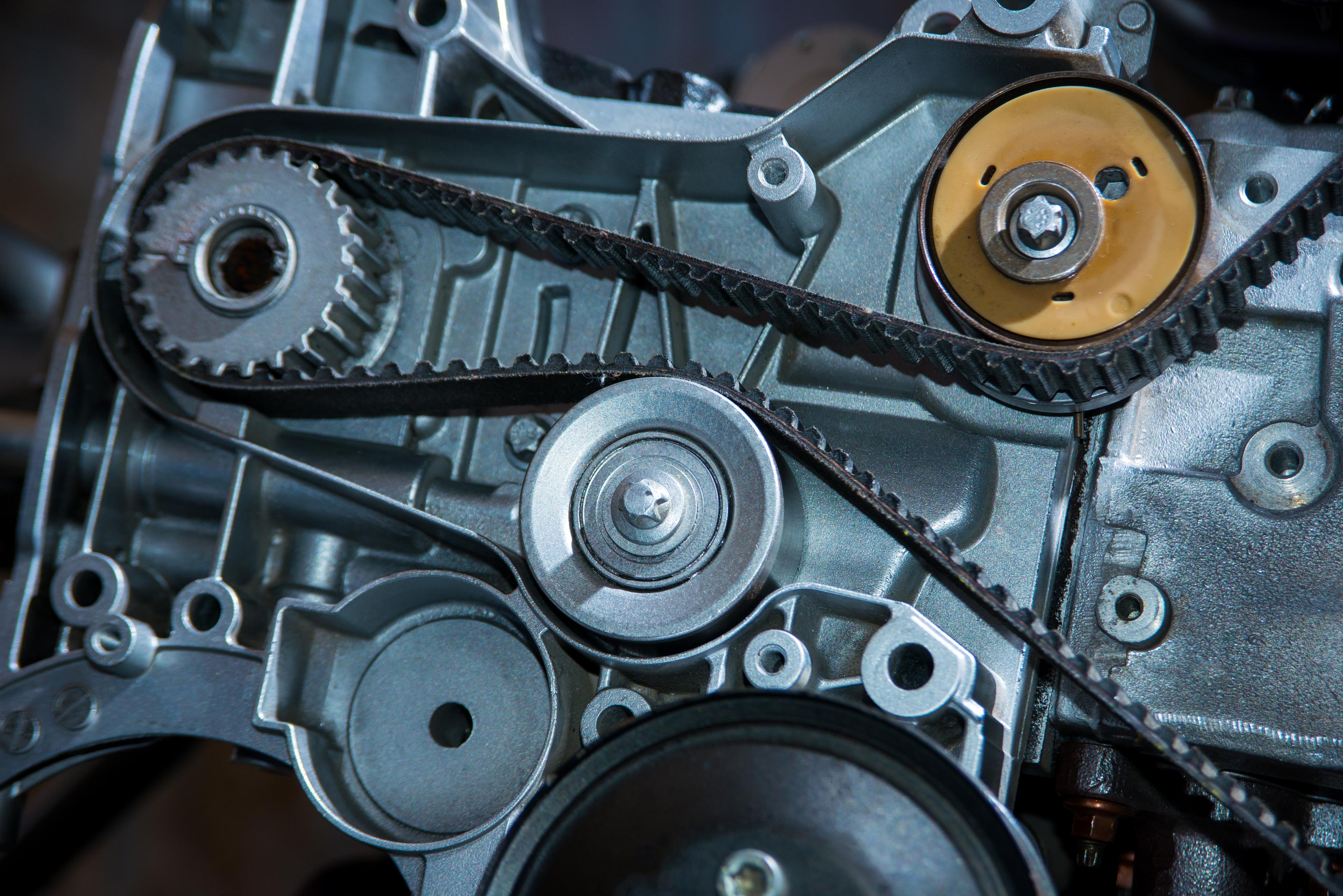
Timing belts are rubber components that run on external pulleys with tensioners and usually need replacing more often.
In contrast, timing chains are metal, sit inside the engine, and use guides and sprockets for durability.
Belts typically cost £300 to £700 to replace, while chains cost £700 to £1,500+ due to higher labour charges. Timing chains generally last longer, but both are critical for engine timing and avoiding serious damage.
Here’s a quick comparison between the two repairs, including 2026 costs, costs for luxury vs. normal engines, and explanations for each repair.
Item | Typical UK Cost (2026) | Explanation of cost |
|---|---|---|
Timing belt replacement | £300 to £700 | Lower labour time and cheaper parts, but includes belt kit, tensioners, and fitting |
Timing belt (luxury/complex engines) | £700 to £1,000+ | Higher labour due to harder engine access and more expensive components |
Timing chain replacement | £700 to £1,500+ | More labour-intensive work involving internal engine components like guides and sprockets |
Timing chain (premium vehicles) | £1,500 to £2,000+ | Increased complexity, longer labour time, and higher parts cost for advanced engines |
What factors affect the timing belt replacement cost?
Several things impact what you’ll pay for your timing belt replacement:
Car make and model: A simple hatchback costs less than a performance car with more premium materials that cost the garage more to source.
Engine design: Some engines are tightly packed, driving up the cost of labour when it comes to stripping them down for maintenance.
Garage location: Labour rates are higher in cities, especially somewhere like London.
Is a timing belt expensive to replace?
Yes, timing belt replacements are expensive, but not replacing it is much, much worse. Spending a few hundred now on proper maintenance avoids potentially bigger problems later.
If a timing belt breaks while you're driving, you’re looking at:
Severe engine damage – from bent valves to smashed pistons.
Engine repair costs that could reach £2,000–£4,000+.
Total breakdowns and potentially writing off the car.
Compared to that, the average cost of £300–£700 for a timing belt replacement is a no-brainer.
Looking for a smarter way to pay for your timing belt replacement? Bumper’s 0% interest car repair loan lets you split the cost into easy monthly instalments. Get your car fixed sooner and get back on the road with Bumper!
How do I know if my timing belt needs replacing?
You’ll know it’s time to replace your timing belt if you start to notice any of the following:
Unusual noises like ticking from the engine
Engine misfire or rough running
Rough idling at start-up
Oil leaks around the timing cover
It’s best not to leave it until you notice any of these warning signs, though. Instead, replace your timing belt in line with the vehicle manufacturer’s recommendations:
Every 60,000–100,000 miles, or
Every 5–7 years, whichever comes first.
How to know if your timing chain needs replacing
Common signs of a worn timing chain include:
Rattling noises from the engine (especially on startup)
Poor engine performance
Misfires
Engine warning lights
Difficulty starting
Some cars also store fault codes. If symptoms appear, get it checked quickly to avoid serious engine damage and costly repairs.
Can a mobile mechanic fix a timing chain?
In most cases, no.
Timing chain replacement requires extensive engine disassembly, specialist tools, and a controlled workshop environment — so it’s always recommended to book in at a garage rather than call a mobile service.
Is it worth fixing the timing chain on a car?
Yes, if the car is otherwise in good condition and repair costs are lower than replacement value.
Generally, a worn timing chain can cause severe engine damage if ignored, so fixing it early can prevent major failure, and Bumper reccomends this.
However, on older or low-value cars, repair costs may exceed the car’s worth, making replacement less economical.
How to save money on your timing belt replacement costs
Replacing a timing belt is one of the more expensive maintenance jobs, but there are some nifty ways to reduce the final cost. Here’s how you can lower your timing belt replacement cost and avoid paying more than you need to:
Compare quotes: Independent garages with experienced mechanics can be up to 30% cheaper than dealerships. Shop around so you know the average cost of your timing belt replacement before committing.
Time it with another service or MOT: Many garages and dealerships offer discounted or bundled pricing when done as part of another service or MOT inspection, saving you up to 20% on labour costs.
Ask for a full timing belt kit: Swapping the whole kit (including timing belt, tensioners, idler pulleys, seals, etc.) is cheaper long-term than doing all the parts piecemeal due to the labour costs involved with stripping down the engine.
Take control of your car replacement costs with Bumper
Replacing your timing belt is one of the smartest ways to keep your car on the road and your wallet away from expensive engine replacement costs. And with Bumper’s car repair finance, you don’t have to worry about the full cost hitting you all at once.
Spread your final bill over 3 to 6 easy monthly payments so you can get back on the road sooner without the stress of waiting around. Apply online or at one of our 6,000+ partner garages.

Split your car repair cost over monthly repayments interest-free.
Split the cost of your next repair
Other related articles from our blog

Advice
2 min read
This summer car washing method could be wrecking your vehicle
Every driver wants to have a clean car, but washing your car with this popular summer method could lead to premature ageing of the vehicle's tyres.

Advice
2 min read
Everyday driving mistake that could cost you thousands
Drivers are discovering that a simple driving habit could land them a big fine. Discover more about the everyday driving mistake that could cost you thousands.

Advice
5 min read
Tyre Replacement Cost Guide: £45 to £250+ (2026)
Tyre replacement costs range from £45 to over £250 for British drivers. See a list of tyre change costs and find out what your car needs online with Bumper.


